Best Balance Training for Seniors: Stay Active & Safe

Disclosure: My rankings are meticulously crafted using advanced algorithms that analyze a vast number of customer reviews, assessing everything from product quality and brand reputation to customer service and popular trends. While these rankings are based on my independent evaluations and intended to serve as a helpful starting point for your shopping journey, it’s worth noting that by purchasing through my recommendations, you’ll access the best prices I’ve found. Additionally, I may earn a commission at no extra cost to you, which supports my ability to continue offering valuable insights.
Table of Contents
Introduction
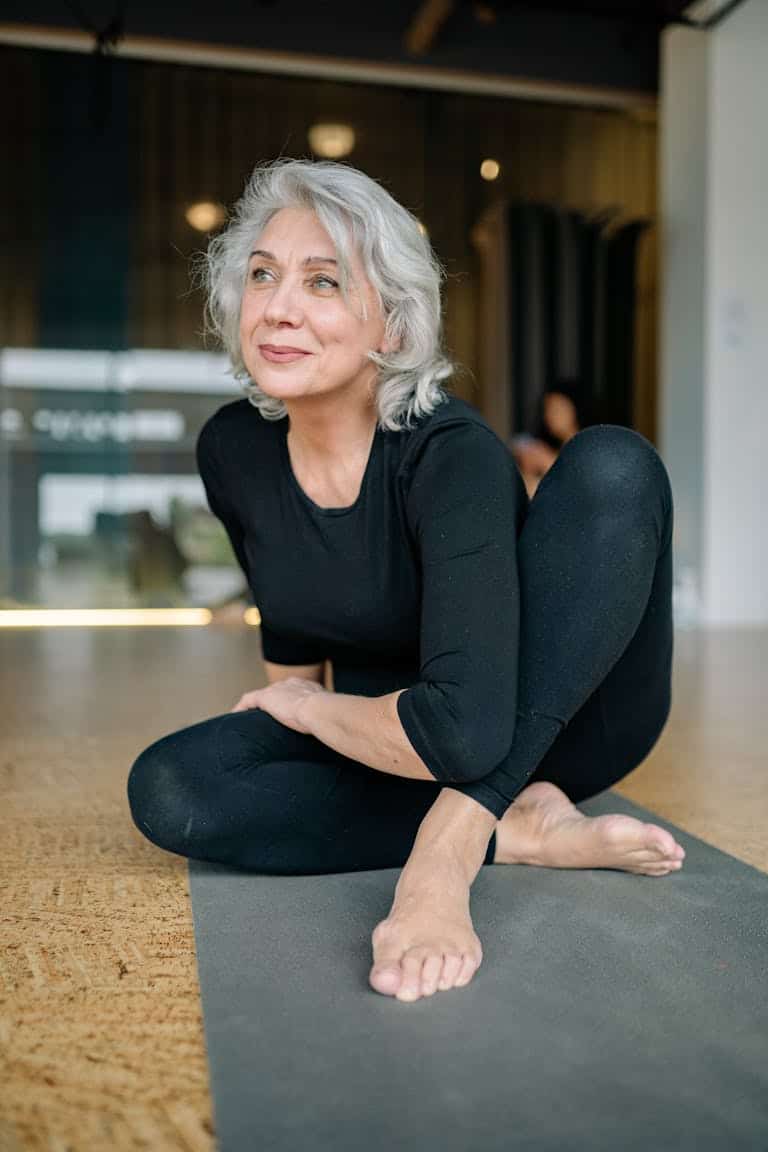
As we age, maintaining balance becomes increasingly important. If you’ve already explored our Ultimate Guide to Active Aging and Physical Fitness for Seniors, you know how critical it is to keep muscles strong and joints flexible. However, an essential component of senior fitness that’s often overlooked is balance training. Balance exercises not only help prevent falls, which are a leading cause of injury in older adults, but also boost mobility and confidence in everyday activities.
In this post, we’ll expand on key themes like stability and mobility, diving into balance training for seniors. Whether you’re just starting your fitness journey or are already well-versed in senior fitness, balance training offers numerous benefits. By incorporating simple, research-backed tools and techniques, you can move with greater ease and reduce the likelihood of dangerous falls.
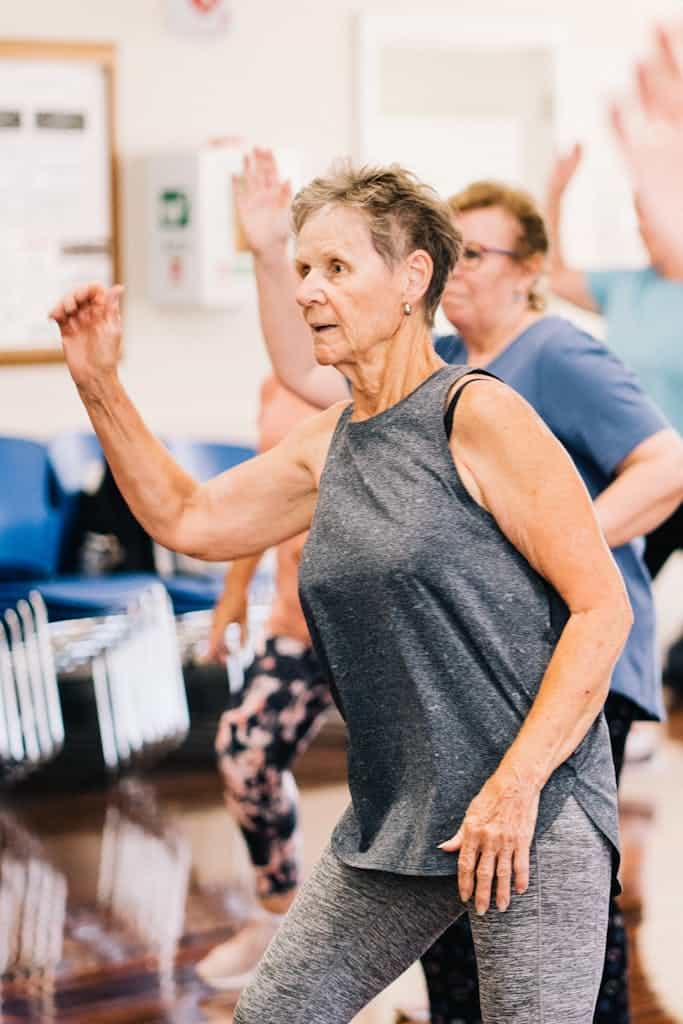
Balance training isn’t only about physical stability—it’s about maintaining independence and confidence. Research by Sadeghi et al. (2021) found that older adults who participated in an eight-week balance training program, including both traditional exercises and virtual reality methods, saw significant improvements in balance and functional mobility. This shows that using a variety of tools can enhance coordination, making daily activities safer and easier.
For those of you who are exploring a more holistic wellness approach, be sure to check out our article on Embracing a Holistic Life with Tom Steven, where we discuss how a well-rounded lifestyle supports aging. If you’re looking to optimize your fitness routine through better nutrition, our post on Mindful Eating offers insights into how diet plays a role in maintaining overall health and balance.
“It’s never too late to start improving your balance. Every step you take toward stability brings you closer to a healthier, more independent life.” — Unknown.
Ready to strengthen your balance and stay steady on your feet? Let’s dive into the tools and tips that will help you feel more confident and secure in your movements.
Why Balance Training is Vital for Seniors’ Health
Aging comes with inevitable changes to the body that can significantly affect balance and stability. Sarcopenia, or the natural weakening of muscles, particularly in the legs and core, is a key reason why balance becomes more difficult. Muscle mass can decrease by as much as 3-5% per decade after 30, and by the time you’re in your 60s and 70s, this loss can lead to coordination problems and slower reaction times. These physical changes increase the risk of falling.

But balance training isn’t just about improving muscle strength. Research has shown that it directly reduces the risk of falls, a leading cause of injury in seniors. In fact, maintaining stability can significantly lower the chances of falls that lead to serious injuries, such as hip fractures. Consistent balance training helps seniors strengthen weak muscles, rebuild coordination, and regain confidence in their movements.
Beyond the physical advantages, balance training brings mental benefits too. One of the most common concerns for seniors is the fear of falling, which can lead to reduced activity and, over time, loss of independence. A study by Oh & Choi (2021) found that seniors who combined motor imagery training with physical balance exercises saw reduced fear of falling and improvements in both gait and coordination. This shows that the mental aspect of balance training plays a crucial role in empowering seniors to remain active and engaged.
“Aging is not lost youth but a new stage of opportunity and strength.” — Betty Friedan.
By building stability through consistent balance exercises, seniors can move freely without constantly worrying about falling.
Regular balance training also improves posture and gait. Poor balance often leads to compensatory movements such as slouching or taking uneven steps, which can exacerbate mobility issues. Through balance exercises, seniors can realign their bodies, improve walking patterns, and reduce back pain or joint discomfort. Incorporating the exercises highlighted in our 10 Essential Exercises for Seniors to Improve Balance can enhance posture, making daily activities more comfortable and safe.
Top Balance Training Tools for Seniors
As we age, incorporating the right tools into our fitness routine can make a significant difference in maintaining balance and stability. Balance training tools not only help seniors build physical stability but also encourage coordination and muscle strength—both essential for staying active and independent. Below is a breakdown of some of the most effective balance training tools specifically designed for older adults.
“You are never too old to set another goal or to dream a new dream.” — C.S. Lewis.

1. Balance Pads
Balance pads are soft foam surfaces that create instability, forcing the body to make small adjustments to maintain balance. These are ideal for seniors who want to improve their stability and coordination. Whether standing or seated, balance pads engage the core and improve postural control.
For seniors looking to enhance flexibility, balance pads pair well with Safe Stretching for Seniors to further improve mobility without putting undue strain on the joints.
2. Stability Balls
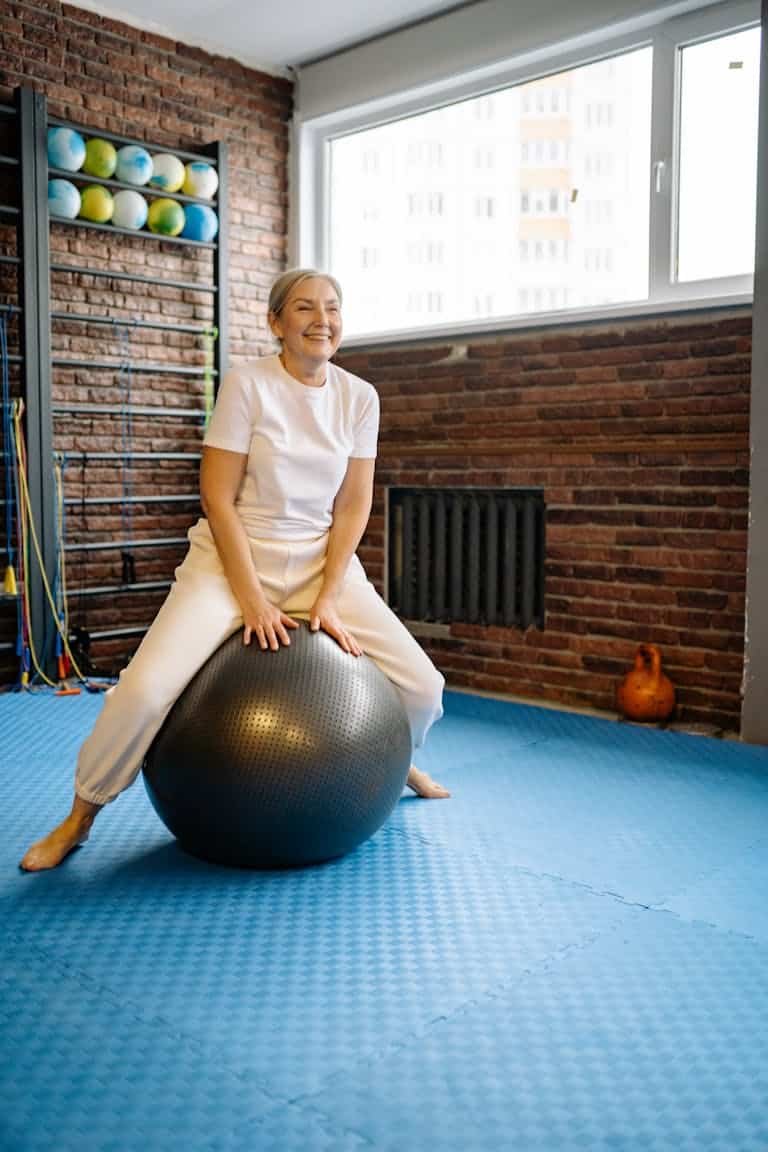
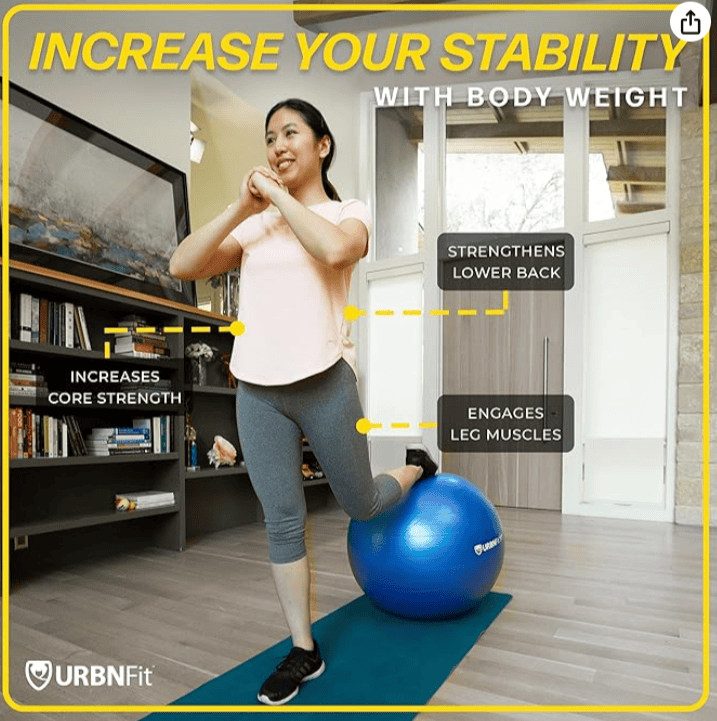
Stability balls are excellent for strengthening the core, a key element in maintaining good balance. These large exercise balls allow seniors to engage muscles that support posture and balance without putting too much pressure on the joints. This makes them an ideal option for seniors dealing with arthritis or similar conditions.
If you’re working to build muscle strength after 60, consider adding stability ball exercises to your routine alongside the techniques discussed in Strength Training for Seniors to maximize muscle and balance gains.

3. Balance Discs
Balance discs are smaller and more versatile than stability balls. Often used in physical therapy, they help improve ankle stability and proprioception (the body’s awareness of its position in space). They can be used while seated or standing, making them a flexible option for seniors at different fitness levels.
Balance discs also help strengthen lower-leg stability, which is crucial for walking and standing. For those looking to complement their balance disc routine, our Beginner’s Guide to Starting a Walking Program for Seniors offers practical tips on improving overall mobility and endurance.

4. Resistance Bands
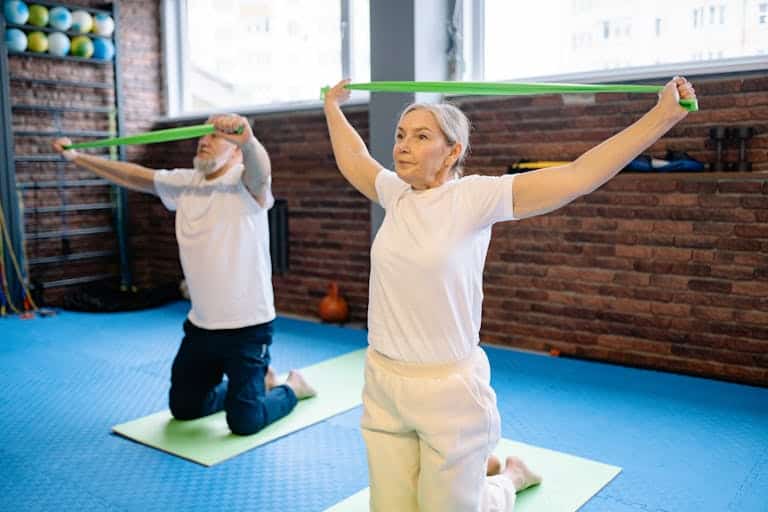
Resistance bands are lightweight, portable, and versatile, making them a perfect addition to any balance training routine. They can be used for a variety of exercises, from leg lifts to standing rows, which build muscle strength and support better balance.
Seniors with arthritis will find that resistance bands offer a gentle way to stay active. For more information on modifying exercises to suit arthritis, explore How to Modify Common Exercises for Seniors with Arthritis, which offers valuable insights into making fitness accessible.

5. Wobble Boards
Wobble boards introduce instability into balance exercises, requiring the body to make constant adjustments to stay upright. These boards are ideal for seniors with moderate fitness levels who are looking to challenge themselves further. Wobble boards strengthen the core and improve ankle stability, both of which are essential for overall balance.
A study by Ren et al. (2022) demonstrated that seniors using exergaming tools, which often include balance-based equipment like wobble boards, experienced significant improvements in their balance and a reduced risk of falls. This research highlights how integrating dynamic, interactive tools into balance training can enhance both engagement and results.
If you’re ready to push your balance training to the next level, consider exploring more dynamic options like Exergames: Combining Fun and Fitness, which offer an engaging way to stay fit.
6. Cane or Walking Poles
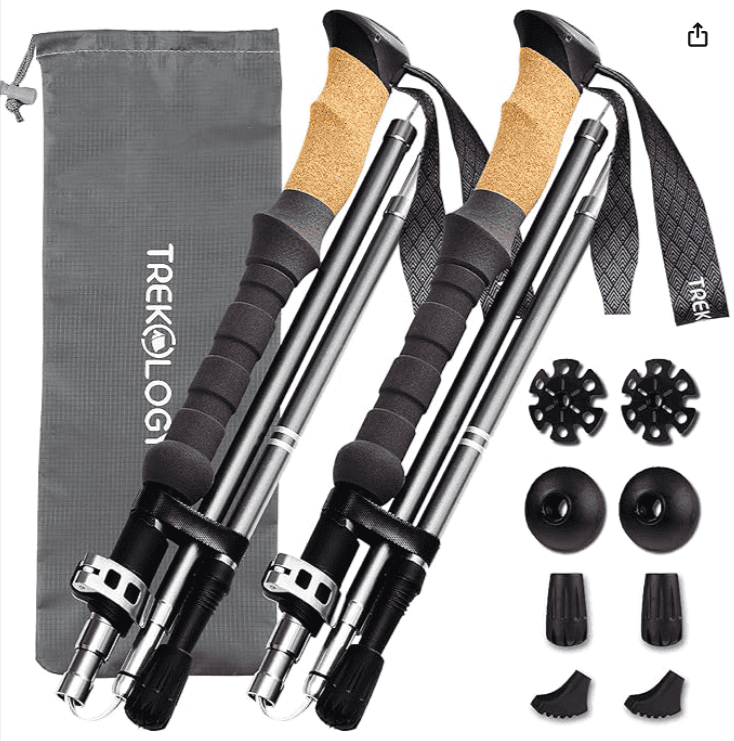
Canes and walking poles are excellent tools for seniors who are beginning to regain mobility. These tools not only provide support while walking but also encourage better posture and coordination. Walking poles, in particular, engage the upper body, promoting balance and giving seniors more confidence during movement.
For those looking to incorporate more low-impact exercises into their routine, canes and walking poles work well with routines like Chair Yoga for Seniors, which offers additional ways to improve balance and flexibility.
By incorporating these balance training tools into your routine, you’ll enhance your stability, coordination, and confidence, helping you remain active and independent. Whether you’re a beginner or a more experienced senior in fitness, these tools can be customized to your needs and fitness level. Start small, stay consistent, and you’ll soon notice the difference in your day-to-day movements and overall well-being.
How to Safely Use Balance Training Tools for Seniors
When using balance training tools, safety is crucial, particularly for seniors. Ensuring that you follow best practices will help you gain the benefits of these tools while minimizing the risk of injury. Here are some essential tips to keep in mind when incorporating balance exercises into your routine.
1. Always Ensure a Sturdy Support Nearby
Balance exercises often involve instability, which is what makes them so effective for improving coordination and strength. However, this also increases the risk of falls, particularly when using tools like wobble boards or balance pads. To stay safe, always have a sturdy support nearby, such as a wall, chair, or countertop. This simple precaution can prevent falls and give you confidence as you build your balance skills.
As Charles M. Hayes said, “Safety first is safety always.”
Having this mindset ensures that your workouts stay effective and injury-free.
2. Warm Up and Cool Down to Avoid Injury
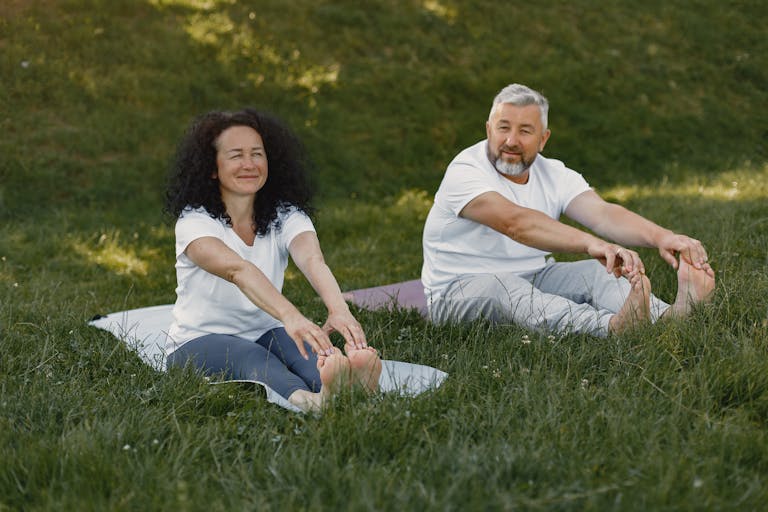
Before starting any balance training session, it’s important to warm up. Warming up increases blood flow to your muscles, making them more flexible and ready for exercise, while cooling down afterward helps with muscle recovery. Gentle movements, like light stretches or walking, are perfect warm-up and cool-down activities to prepare your body and reduce the risk of strains.
3. Start with Simpler Tools and Gradually Increase the Challenge
If you’re new to balance training, it’s essential to start with simpler tools, like balance pads or resistance bands, which provide controlled levels of instability. As your strength and coordination improve, you can move on to more challenging tools, such as wobble boards or balance discs. This gradual progression reduces the risk of injury and ensures steady improvement.
4. Use a Partner or Professional Trainer for Assistance
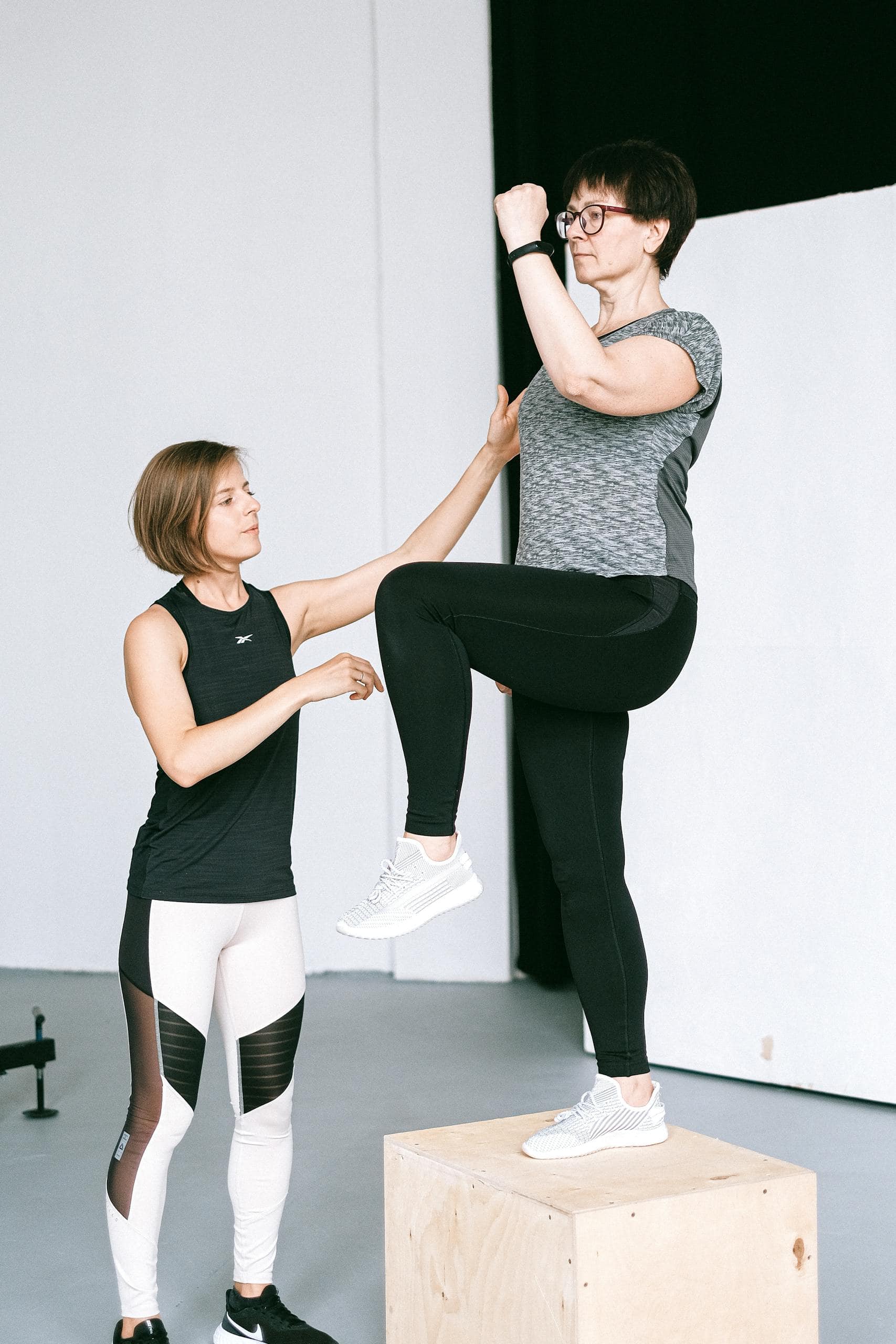
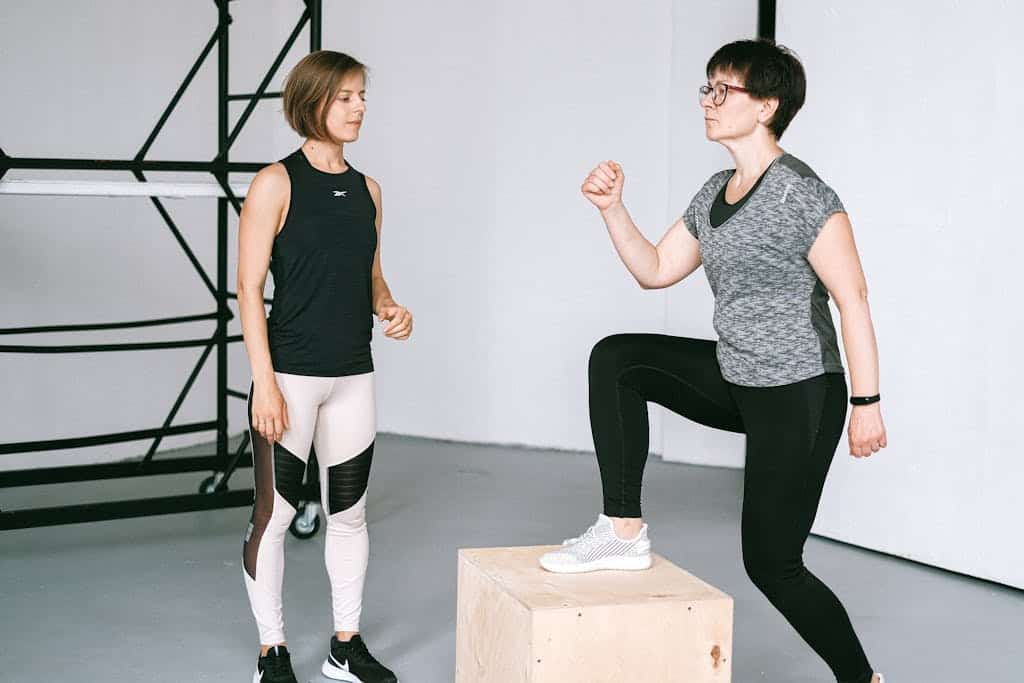
Having someone by your side—whether it’s a friend, partner, or professional trainer—can help ensure you’re using balance tools correctly. A trainer or exercise partner can also provide support if you feel unsteady, ensuring you maintain proper form and avoid falls.
5. Keep Joint Health in Mind
For seniors with joint concerns, it’s vital to choose exercises and equipment that are easy on the joints. Tools like resistance bands and balance pads can be gentle on your joints while still providing a solid workout. For more ideas on joint-friendly exercises, check out our post on Top 5 Joint-Friendly Workout Equipment for Older Adults, which highlights additional equipment designed to protect your joints while enhancing your fitness routine.
By following these safety tips, seniors can confidently and safely use balance training tools to improve strength, stability, and coordination. Remember to start slow, ensure proper support, and seek guidance when needed to optimize your workouts for both safety and effectiveness.
Benefits of Consistent Balance Training for Seniors
Consistent balance training has a wide range of benefits for seniors, improving both physical health and mental well-being. Here’s how regular balance exercises can enhance the quality of life for older adults:
1. Reduced Risk of Falls and Injuries
Falls are one of the leading causes of injury among seniors. Balance training helps reduce this risk by strengthening the muscles that support the body, improving coordination, and increasing reaction times. These benefits make it easier to stay steady on your feet and avoid falls that could lead to serious injuries like fractures.
2. Improved Muscle Strength and Joint Flexibility
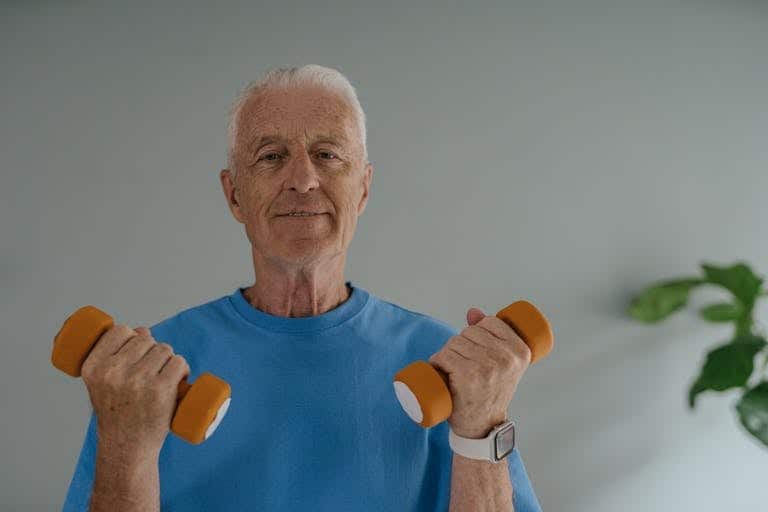
In addition to reducing the risk of falls, balance exercises also enhance muscle strength and joint flexibility. Regular balance exercises target muscles in the legs, core, and back—crucial areas for everyday activities like walking and standing. With improved muscle tone and joint flexibility, seniors can move with more ease and comfort.
“The groundwork of all happiness is health.” — Leigh Hunt.
This quote encapsulates the importance of maintaining physical health, which balance training supports by strengthening muscles and improving joint mobility.
3. Boosted Confidence in Walking and Daily Activities
For many seniors, the fear of falling can limit daily activities and erode confidence. However, consistent balance training can alleviate this fear by making movements feel more stable. As balance improves, seniors gain the confidence to walk, stand, and engage in daily activities without constant worry.

4. Mental Health Benefits: Reduced Anxiety and Increased Well-being
Balance training doesn’t just improve physical health—it also has a positive impact on mental well-being. When seniors feel more secure in their physical abilities, anxiety about falling decreases, leading to a more relaxed and confident mindset. This confidence helps promote emotional wellness, making it easier to stay engaged in social activities and maintain independence.
Conclusion
Balance training for seniors is one of the best ways to ensure independence and safety in later years. By incorporating these easy-to-use tools into your routine, you can strengthen muscles, improve mobility, and prevent dangerous falls. Whether you’re just starting out or already focused on staying active, the benefits of consistent balance exercises are undeniable. Start small, be consistent, and feel the difference in your stability and confidence!
“Strength doesn’t come from what you can do; it comes from overcoming the things you once thought you couldn’t.” — Rikki Rogers.
Remember, balance training is just one piece of the puzzle for staying fit and independent. For a more holistic approach to fitness, take a look at Nutritional Tips for Active Seniors to fuel your body and stay energized throughout your workouts. Pairing good nutrition with regular balance exercises will give you the strength and vitality to live life to the fullest.
Ready to boost your balance and enjoy the benefits of an active, confident lifestyle? Start today by incorporating these tools, stay steady on your feet, and enjoy the freedom that comes with improved mobility!
References:
- Sadeghi, H., Jehu, D. A., Daneshjoo, A., Shakoor, E., Razeghi, M., Amani, A., Hakim, M. N., & Yusof, A. (2021). Effects of 8 weeks of balance training, virtual reality training, and combined exercise on lower limb muscle strength, balance, and functional mobility among older men: A randomized controlled trial. Sports Health: A Multidisciplinary Approach, 13(6), 606-612. https://doi.org/10.1177/1941738120986803
- Oh, D., & Choi, J. (2021). Effects of motor imagery training on balance and gait in older adults: A randomized controlled pilot study. International Journal of Environmental Research and Public Health, 18(2), Article 650. https://doi.org/10.3390/ijerph18020650
- Ren, I., Rozanski, G. M., Fernandez, N., Zabala, A., Ramos, A., Arrinda, I., Tabacof, L., & Putrino, D. (2022). Exergaming delivery of a balance and fall prevention program for older adults: A feasibility study. Digital Health, 8, Article 20552076221144105. https://doi.org/10.1177/20552076221144105