Ultimate Guide to Active Aging and Physical Fitness for Seniors

Disclosure: My rankings are meticulously crafted using advanced algorithms that analyze a vast number of customer reviews, assessing everything from product quality and brand reputation to customer service and popular trends. While these rankings are based on my independent evaluations and intended to serve as a helpful starting point for your shopping journey, it’s worth noting that by purchasing through my recommendations, you’ll access the best prices I’ve found. Additionally, I may earn a commission at no extra cost to you, which supports my ability to continue offering valuable insights.
Table of Contents
Introduction:
Aging doesn’t have to mean slowing down—it’s about thriving and enjoying life to the fullest!
“Aging is not lost youth but a new stage of opportunity and strength.” — Betty Friedan
Staying physically active as we age is more important than ever, helping us keep our bodies strong, our minds sharp, and our independence intact. In this guide, I’m going to share everything you need to know about active aging and physical fitness, from gentle exercises to the best ways to stay motivated. Whether you’re new to fitness or looking to step up your routine, this guide is packed with tips and insights tailored just for seniors. Did you know that regular exercise can slash your risk of chronic diseases by up to 50%? Let’s dive into how you can stay strong, balanced, and full of life in your golden years.
Understanding the Benefits of Physical Fitness in Aging
As I’ve grown older, I’ve come to appreciate that staying active is about so much more than just maintaining a certain look—it’s about feeling my best, inside and out. Back in the day, I’d occasionally skip a workout without a second thought. Now, keeping up with my fitness routine is non-negotiable. It’s become my way of taking control of my health and aging gracefully.
Physical activity has a profound impact on the aging body.
“It’s not about adding years to your life, but life to your years.” — Abraham Lincoln (attributed)
We all know that as we get older, our muscles tend to lose mass, our bones become more fragile, and our joints might feel a bit creaky. But here’s the exciting part: regular exercise can actually slow down these aging processes or even reverse some of their effects. It’s like tapping into a personal fountain of youth, but with a bit of effort! I remember coming across a study by Nguyen, Lee, and Smith (2021), which was a real eye-opener. They found that seniors who consistently exercised had much lower rates of cognitive decline than those who led more sedentary lives. That study really hit home for me, reinforcing the idea that staying active is something I can control, even as the years pass.
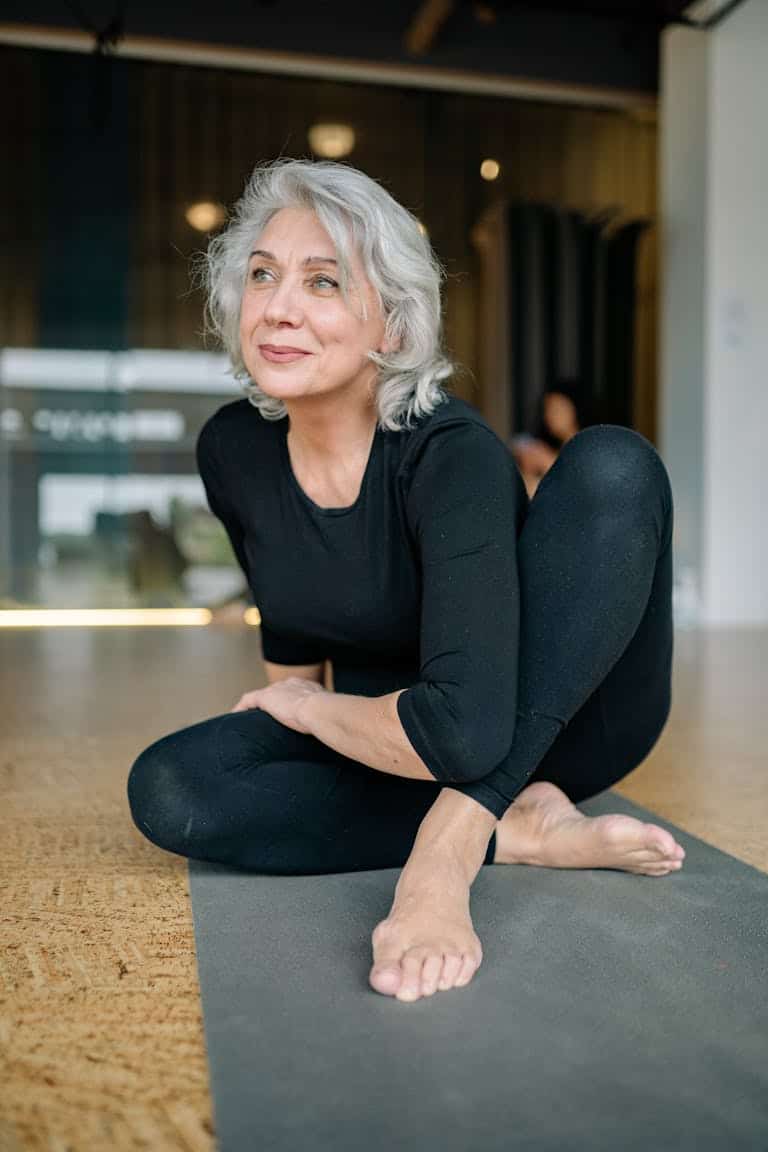
The benefits of physical fitness go way beyond just keeping our bodies in good shape. Improved mobility is a big one—when we keep moving, our joints stay more fluid, and our muscles remain strong, which helps prevent falls and reduces pain. I used to think my stiff knees were just part of getting older, but after sticking with a gentle yoga routine, I noticed a huge difference in how I moved and felt.
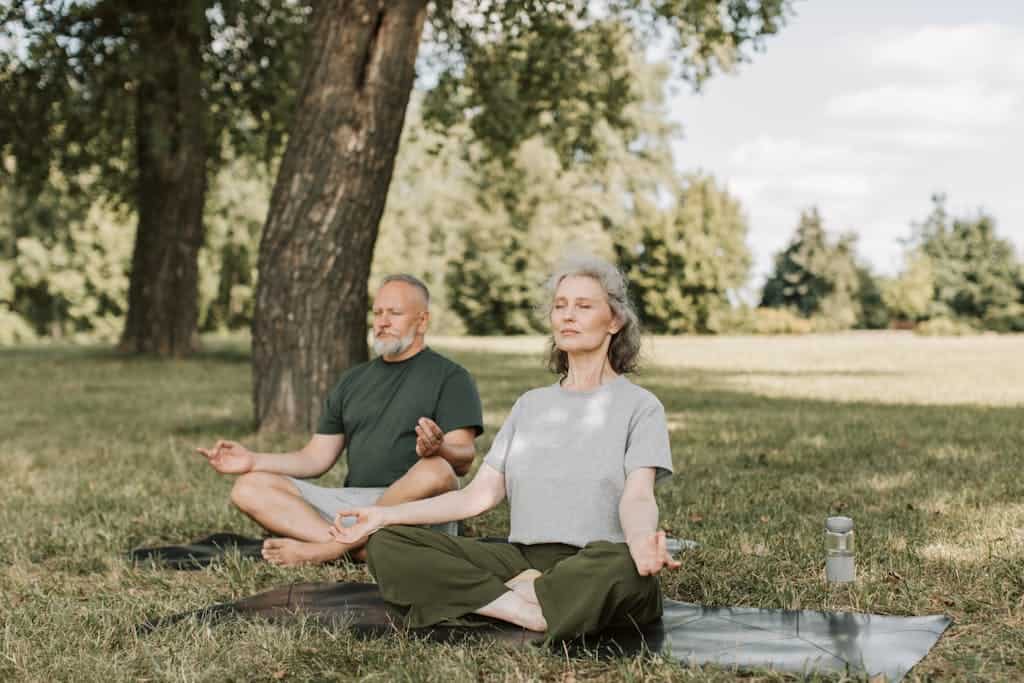
There’s also a significant mental health boost that comes from regular exercise. After a good walk or workout, I always feel like the day’s stresses have melted away, and my mind is clearer. That’s because exercise releases those wonderful endorphins—those natural mood lifters. And then there’s the incredible impact on disease prevention. Regular physical activity can dramatically lower the risk of heart disease, diabetes, and even some cancers. My father was a perfect example of this. He was active well into his later years and lived a healthier, more independent life than many of his peers. I’m convinced it was because he made fitness a priority.
Staying active is also about maintaining our independence. As we age, the last thing we want is to lose our ability to take care of ourselves. Fitness helps us keep the strength and balance needed to continue enjoying the activities we love—whether it’s gardening, playing with the grandkids, or simply getting out of bed without assistance. I’ve seen friends struggle with everyday tasks because they didn’t stay active, and it’s a stark reminder of how important it is to keep moving.
In essence, physical fitness is about living life to the fullest, no matter our age. Whether you’re going for a daily walk, swimming, or doing a bit of yoga, every effort counts. And as research shows, it’s never too late to start (Nguyen et al., 2021; Peterson, Rhea, & Sen, 2022; Hooper, Bunn, & Abdelhamid, 2023). So let’s get those sneakers on and start moving—you’ve got this!
Getting Started: Safe Exercises for Seniors
Beginning a new exercise routine can feel intimidating, especially if it’s been a while since you last worked up a sweat. But guess what? You’re not alone! I remember when I decided to get back into fitness after a long break. I was nervous—worried I might overdo it or end up with more aches than gains. But soon enough, I learned that starting slow and staying safe is the key to success, especially for seniors.
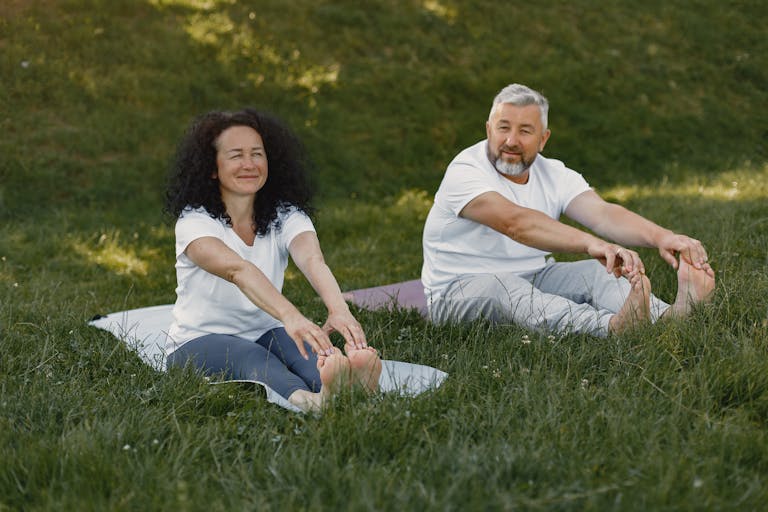
Let’s explore some gentle exercises that are perfect for beginners. Walking is a timeless classic, and for good reason. It’s gentle on the joints, requires no special equipment, and can be done pretty much anywhere. My morning walks have become a treasured routine—there’s something about the fresh air and the rhythmic pace that helps me start my day on the right foot. And the best part? You can gradually increase your pace and distance as your stamina builds.
Chair yoga is another fantastic option, especially if you have balance issues or limited mobility. This form of yoga allows you to stretch and strengthen your body while staying seated. When I was dealing with back pain, chair yoga was a game-changer. It helped me regain flexibility without putting too much strain on my body. Plus, you can do it in the comfort of your own home, which is a huge bonus.
Then there’s water aerobics—a real game-changer for many seniors. The water’s buoyancy supports your body, reducing the impact on your joints while still providing enough resistance to build strength and improve cardiovascular health. I’ve seen people with arthritis and chronic pain thrive in water aerobics classes, moving with ease and joy they hadn’t experienced on land. And honestly, splashing around in the pool feels more like fun than exercise!
Before diving into any exercise, though, it’s essential to understand the importance of warming up and cooling down.
“Take care of your body. It’s the only place you have to live.” — Jim Rohn
I used to think these steps were optional until I pulled a muscle during what should have been an easy workout. Lesson learned! Warming up increases blood flow to your muscles, preparing your body for more intense activity, while cooling down helps lower your heart rate gradually and prevents stiffness. Just a few minutes of gentle stretching or light movement before and after your workout can make all the difference.
It’s also crucial to tailor your exercise routine to your fitness level and health conditions. When I first started, I had to remind myself that it wasn’t a race—there’s no need to push too hard, especially at the beginning. Listen to your body and choose exercises that feel right for you. If you have health concerns like high blood pressure or joint issues, it’s always a good idea to consult with your doctor or a physical therapist before starting something new. They can help you create a plan that’s both safe and effective.

Speaking of safety, here are a few tips to keep in mind: Start slow and build up gradually—there’s no rush. Make sure your environment is safe—clear any tripping hazards, wear supportive shoes, and if you’re exercising outdoors, be mindful of the weather. And most importantly, monitor your health during workouts. Pay attention to how you feel, and if you ever experience dizziness, shortness of breath, or pain, stop immediately and seek medical advice if needed.
Starting an exercise routine doesn’t have to be overwhelming. By choosing safe, gentle activities and listening to your body, you can build a routine that’s not only effective but also enjoyable. Remember, every step you take is a step toward better health and a more active, fulfilling life. So lace up those sneakers, grab a yoga mat, or head to the pool!
Building a Balanced Fitness Routine
“Movement is a medicine for creating change in a person’s physical, emotional, and mental states.” — Carol Welch
Building a balanced fitness routine is like crafting the perfect recipe—it’s all about finding the right combination of ingredients. When I first started working on my fitness goals, I quickly realized that focusing on just one type of exercise wasn’t enough. Sure, I enjoyed my morning walks, but to truly stay healthy and strong, I needed a variety of activities in my routine. The difference it made was remarkable.
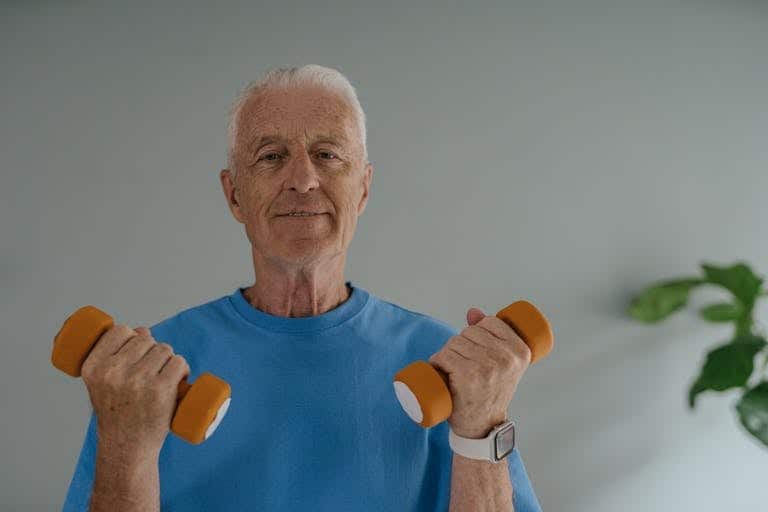
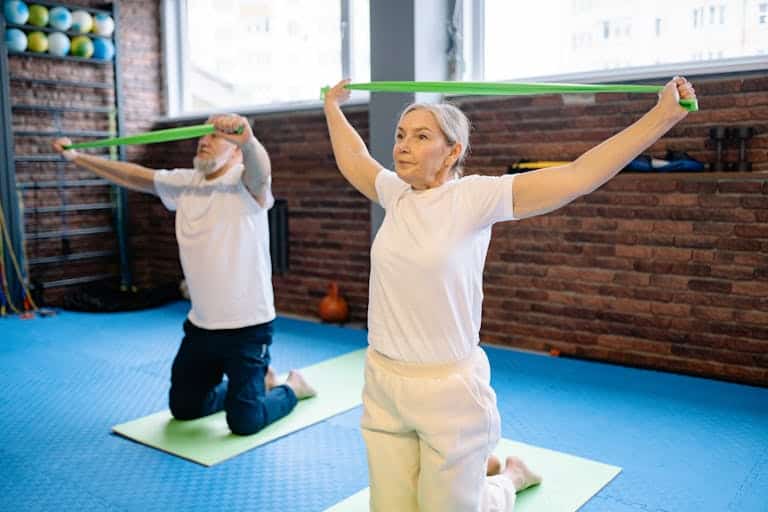
A well-rounded fitness routine should include four main components: cardio, strength training, flexibility, and balance. Each of these plays a vital role in keeping us healthy as we age. Cardio, whether it’s walking, swimming, or cycling, gets our heart pumping and improves cardiovascular health. It’s essential for building stamina and maintaining energy levels. But cardio alone isn’t sufficient—we also need to build and maintain muscle, which is where strength training comes in. I was initially hesitant about lifting weights, but once I started with light dumbbells and resistance bands, I was hooked. Strength training is crucial for preserving muscle mass, which naturally decreases as we age. In fact, a study by Jones and colleagues in 2022 found that regular strength training can significantly slow down muscle loss in seniors, helping us stay strong and independent longer.
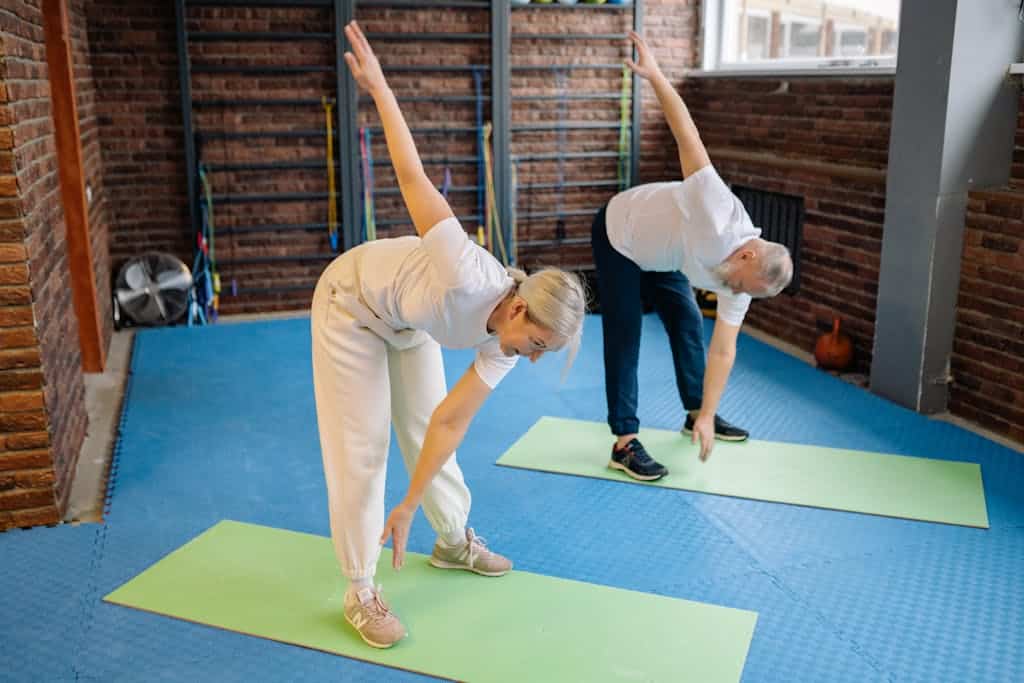
Flexibility and balance are the other essential pieces of the puzzle. Flexibility exercises, such as stretching or yoga, keep our muscles and joints limber, making everyday movements easier and reducing the risk of injury. Balance exercises, on the other hand, are all about stability. They become increasingly important as we get older because they help prevent falls—a significant concern for many seniors. Incorporating simple balance moves, like standing on one leg or practicing Tai Chi, can make a huge difference in our ability to stay upright and confident in our movements.
So, how do you fit all these components into a weekly exercise plan? The key is variety. Think of it like mixing up your meals—if you ate the same thing every day, you’d get bored quickly, right? The same goes for exercise. I like to start my week with a cardio session, maybe a brisk walk or a bike ride. The next day, I’ll focus on strength training, followed by a flexibility session. On Fridays, I keep it light with balance exercises, and on weekends, I mix it up with fun activities like dancing or gardening. Speaking of which, don’t underestimate the power of enjoyable activities! Dancing is a fantastic cardio workout that doesn’t feel like exercise, and gardening? That’s a full-body workout in disguise! Digging, planting, and weeding engage your muscles and improve flexibility.
One thing I’ve learned is that you don’t have to stick to a rigid schedule. The best workout plan is one that fits your life and keeps you motivated. Maybe you love morning yoga sessions followed by an evening stroll, or perhaps you prefer alternating cardio and strength training days. Whatever works for you is the best routine. And remember, the goal isn’t perfection—it’s progress. Some days you’ll feel like conquering the world, and other days just getting up and stretching is a victory. Celebrate every effort.
By building a balanced fitness routine, you’re investing in your long-term health and well-being. You’re not just exercising to stay fit; you’re preparing your future self—someone who is strong, flexible, balanced, and ready to tackle whatever life throws your way. So grab your calendar, plan your week, and make time for each of these essential components. Your body and mind will thank you!
Overcoming Common Challenges
Staying active as we age definitely comes with its challenges, but trust me, they can be overcome. I’ve had my fair share of aches and pains, and there have been days when the thought of exercising felt more like a chore than something enjoyable. But over time, I’ve learned that these obstacles aren’t roadblocks—they’re just bumps along the way. Pushing through them not only makes us stronger physically but mentally as well.

One of the most common challenges many of us face is dealing with arthritis, joint pain, or chronic conditions. I remember when my knees first started giving me trouble—it was frustrating, to say the least. Every step was a reminder that I wasn’t as spry as I used to be. But instead of throwing in the towel, I found ways to keep moving without causing more pain. Walking on softer surfaces, like grass or a track, made a big difference, and switching to low-impact activities like swimming took the strain off my knees. Water aerobics, in particular, became a go-to for me. It allowed me to get a solid workout without stressing my joints. And yoga—what a relief that has been! Simple stretches, like the child’s pose, have become part of my daily routine, helping to ease tension and keep me flexible.
Adapting exercises to fit our individual needs is crucial. If you have limited mobility or other health concerns, it’s important to choose activities that are safe and manageable. Chair exercises are incredibly effective—they let you work on strength and flexibility without putting too much strain on your body. For example, I started doing seated leg lifts and arm curls with light weights while watching TV. At first, it didn’t seem like much, but over time, I noticed my muscles getting stronger, and my energy levels improving. The best part? I didn’t have to worry about losing my balance or aggravating my joints.
Staying motivated is another challenge that can’t be ignored.
“The only bad workout is the one that didn’t happen.” — Anonymous
Let’s be honest—there are days when motivation is nowhere to be found. For me, setting small, realistic goals and tracking my progress made a big difference. There’s something incredibly satisfying about checking off each day’s workout on a calendar. On days when I’m really struggling, I remind myself of how much better I feel after I exercise. Even just 10 minutes of movement can lift my spirits and make a huge difference in my day. Mixing things up also helps keep boredom at bay. Whether it’s trying a new exercise class, changing my walking route, or just listening to a different playlist, variety keeps things fresh and exciting.
Support is also crucial for staying consistent. I joined a local walking group, and it made all the difference. Knowing that others are counting on you to show up adds a layer of accountability, and the social aspect makes it fun. We share stories, laugh, and sometimes even forget we’re exercising. If group activities aren’t your thing, even having a workout buddy or joining an online community can provide that extra push on days when you’d rather stay in bed.
In the end, overcoming these challenges is about finding what works for you and sticking with it. It’s about being kind to yourself and recognizing that every effort counts, no matter how small. Most importantly, it’s about staying committed to your health and well-being, even on the tough days. Remember, you’re not just fighting against age—you’re fighting for a future where you can continue doing the things you love. So keep moving, stay positive, and don’t let these challenges hold you back. You’ve got this!
Nutrition and Hydration for Active Seniors
“Let food be thy medicine and medicine be thy food.” — Hippocrates
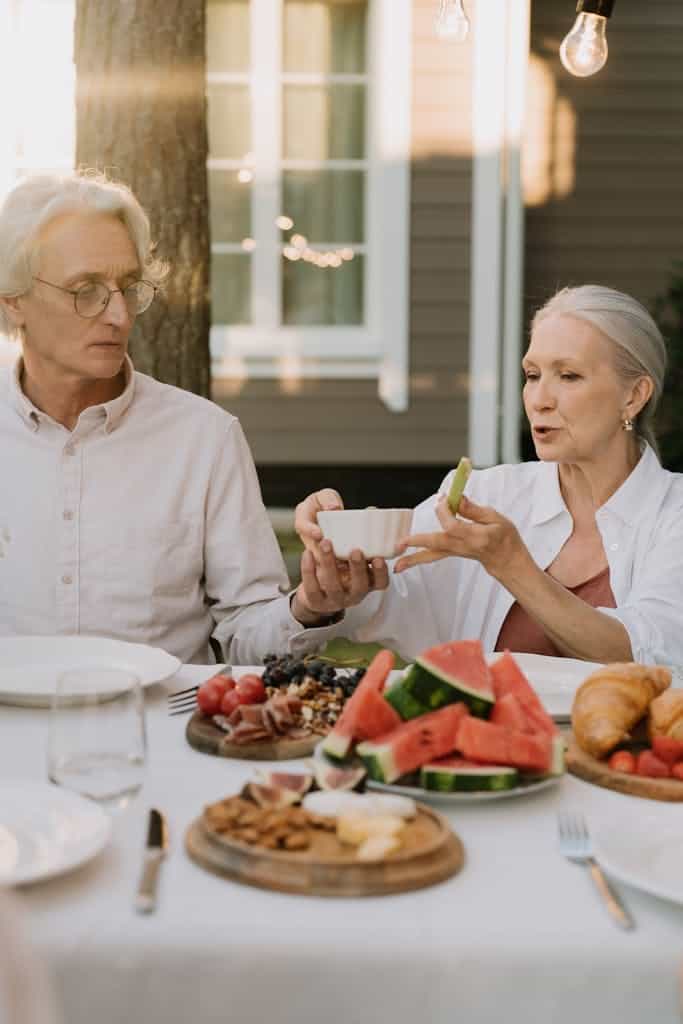
When it comes to staying active and healthy as we age, what we eat and drink plays a huge role. I used to think that exercise alone was enough, but I quickly learned that without the right fuel, my energy levels just weren’t where they needed to be. The truth is, diet and hydration are the unsung heroes of an active lifestyle, especially for seniors. They’re what keep our bodies strong, our minds sharp, and our spirits high.
Let’s start with the role of diet in supporting an active lifestyle. As we get older, our bodies don’t bounce back quite as quickly, and recovery from a workout can take longer. That’s where a balanced diet comes in. It provides the nutrients we need to repair muscles, maintain bone health, and keep our energy levels steady throughout the day. I remember a time when I wasn’t paying much attention to what I ate—my meals were all over the place, and I’d often skip breakfast. It wasn’t long before I noticed I was dragging through my workouts and feeling sluggish by midday. Once I started focusing on a more balanced diet, with regular meals and snacks, I felt like a new person. My workouts improved, and I had energy to spare.
Speaking of nutrients, there are a few that are especially important for seniors. Protein is at the top of the list. It’s essential for maintaining muscle mass, which naturally decreases as we age. I’ve made it a point to include protein in every meal, whether it’s eggs in the morning, a chicken breast for lunch, or a handful of nuts as a snack. Calcium and vitamin D are also crucial for keeping our bones strong. I’ve always loved dairy, so getting enough calcium wasn’t too hard, but I did have to be mindful about vitamin D, especially during the winter months. A simple daily supplement did the trick, along with making sure I got outside for a little sun whenever possible.
Now, let’s talk about hydration. Staying hydrated is something that can easily slip through the cracks, but it’s so important—especially for us seniors. I used to be guilty of not drinking enough water. I’d get caught up in the day and realize by afternoon that I hadn’t had more than a couple of sips. The result? I’d feel tired, my skin would look dry, and my muscles would cramp up during my workouts. Once I made a conscious effort to drink more water, everything changed. My energy levels stabilized, and I felt better overall. One trick that really helped me was keeping a water bottle with me at all times. I also started flavouring my water with a slice of lemon or cucumber, which made it more enjoyable to drink.
For those who find it hard to get enough water, here are a few tips: Start your day with a glass of water—it’s a great way to wake up your body. Set reminders on your phone to take a sip every hour, or tie drinking water to a routine task, like having a glass with every meal. Foods with high water content, like cucumbers, oranges, and melons, can also help you stay hydrated.
To bring it all together, having a few go-to meal plans and snacks can make staying on track with nutrition and hydration a lot easier. For breakfast, I love a bowl of oatmeal topped with berries and a side of Greek yogurt—it’s packed with protein, fibre, and flavour. Lunch might be a turkey and avocado wrap with a side of baby carrots and hummus, while dinner could be grilled salmon with steamed veggies and quinoa. And for snacks? You can’t go wrong with a handful of almonds, a piece of fruit, or even a small smoothie.
Incorporating these nutrition and hydration tips into your daily routine can make a world of difference in how you feel and perform, both in and out of the gym. Remember, it’s not just about eating well—it’s about eating smart. By fuelling your body with the right foods and staying hydrated, you’re setting yourself up for success in every aspect of your active life. So, cheers to good health—both on the plate and in the glass!
Creating a Senior-Friendly Home Gym
When I first thought about setting up a home gym, I was a bit overwhelmed. The idea of transforming a corner of my home into a fitness space seemed daunting—especially when you consider all the equipment out there. But as I started digging into what was really needed, I realized that creating a senior-friendly home gym doesn’t have to be complicated or expensive. In fact, with a few essential pieces and some smart planning, you can set up a space that’s perfect for staying active, all without leaving your house.
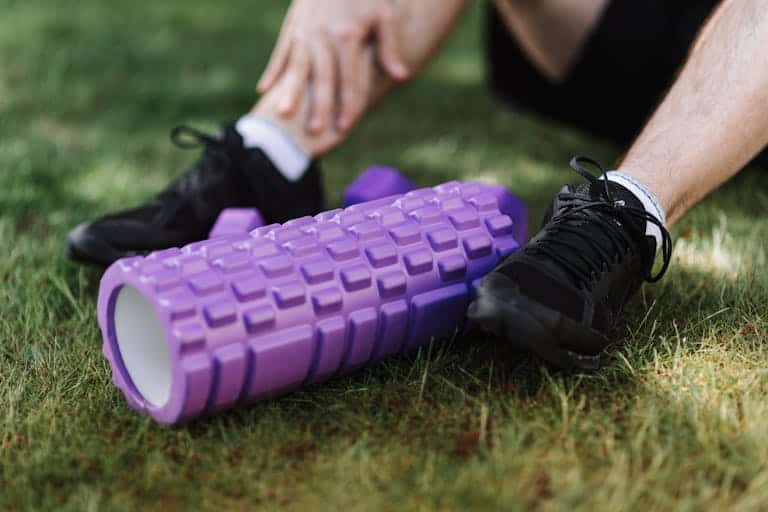
Let’s start with the basics: what equipment do you really need for a safe and effective home workout? The good news is, you don’t need a lot. A pair of light dumbbells or resistance bands can go a long way in building strength. I started with a set of resistance bands that came with different tension levels—they’re incredibly versatile and great for everything from arm curls to leg lifts. If you’re looking to add some cardio, a sturdy chair for seated exercises or a simple step platform can be really effective, especially if you’re short on space. And don’t forget about a good yoga mat! It’s perfect for stretching, balance exercises, or even a quick meditation session after your workout. The mat also adds a bit of comfort for those floor exercises, which is a nice bonus.
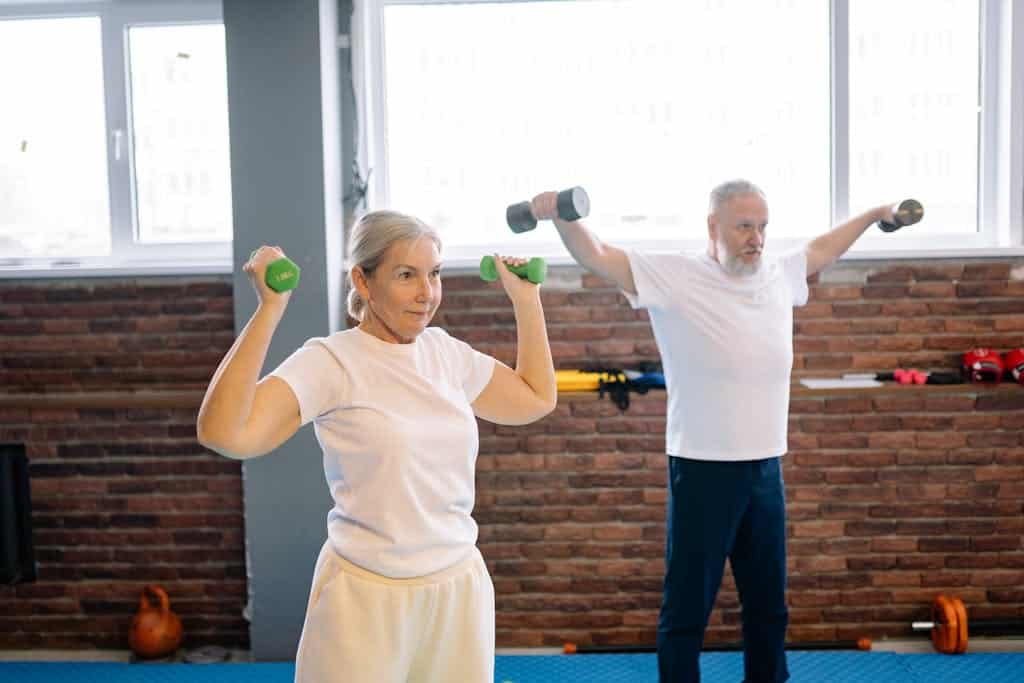
Now, I’m all about finding budget-friendly options, because let’s be honest, fitness equipment can get pricey. One of my favorite places to shop is online marketplaces like Amazon, where you can often find deals on new and used equipment. I’ve also had good luck with local second-hand stores or community marketplaces where people sell lightly used items for a fraction of the cost. You don’t need to buy everything at once—start with the essentials and build up your collection over time. Sometimes, the most effective tools are the simplest ones.
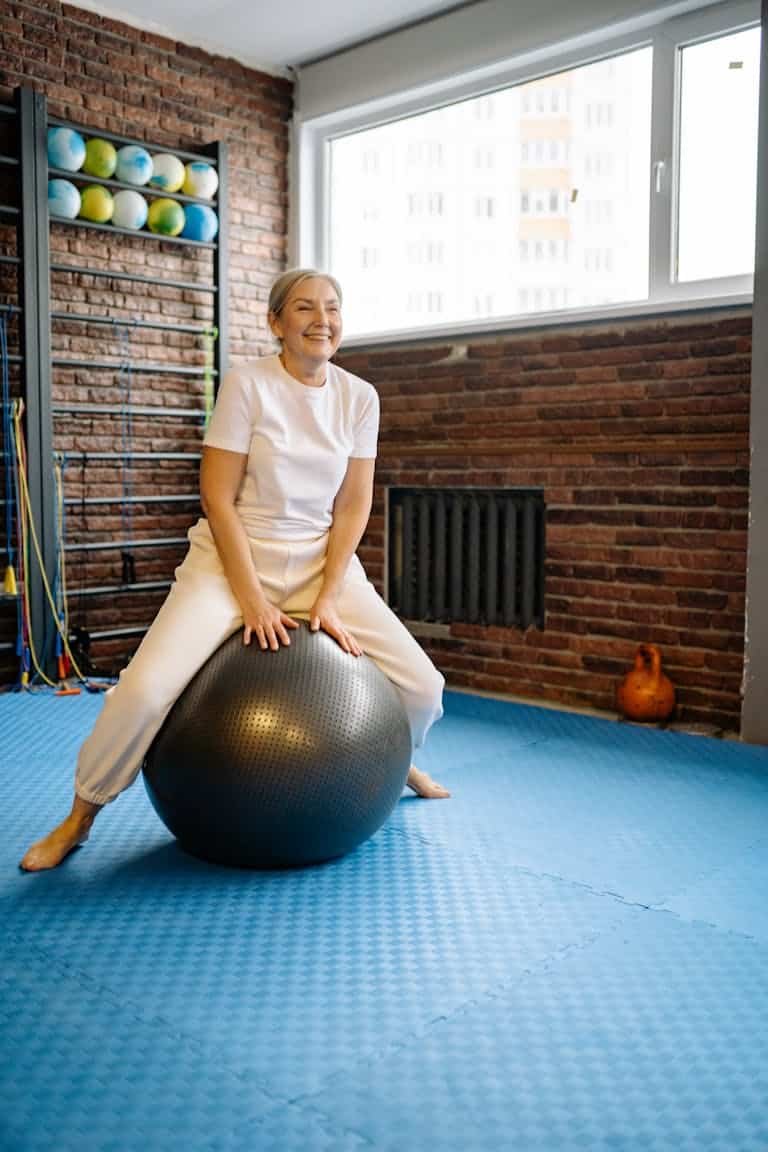
But what if you’re working with a small space? Setting up a home gym in a compact area is totally doable—it just takes a little creativity. For example, I turned a corner of my living room into a mini gym by using a small shelving unit to store my equipment. Everything has its place, and it’s easy to tuck away when I’m done. If floor space is tight, think vertically! Wall-mounted hooks or over-the-door organizers are perfect for storing resistance bands, jump ropes, or even rolled-up yoga mats. And if you’re really tight on space, consider multi-functional equipment, like a foldable exercise bench that doubles as extra seating when not in use.
One of the best decisions I made was to keep my home gym setup simple and clutter-free. This not only makes it easier to work out but also safer, reducing the risk of tripping over equipment or getting injured. Speaking of safety, let’s talk about a few tips to ensure your workouts at home are as safe as they are effective. First, always make sure your workout area is free of clutter and has enough space for you to move around comfortably. Proper footwear is a must—even if you’re exercising at home, wearing supportive shoes can prevent slips and protect your feet. Another tip is to check your equipment regularly. I learned this the hard way when one of my resistance bands snapped mid-workout—not fun! Now, I make it a habit to inspect my gear every few weeks to ensure everything is in good shape.
One final piece of advice: don’t forget about proper lighting. It might sound simple, but good lighting can make a huge difference in both safety and motivation. I set up my workout area near a window, so I get plenty of natural light during the day, which helps keep my spirits up. Plus, it’s easier to see what I’m doing, which is crucial for maintaining good form and avoiding injury.
Creating a senior-friendly home gym is all about making it work for you. It doesn’t have to be elaborate or expensive—just functional, safe, and suited to your needs. With the right equipment, a bit of creativity, and a focus on safety, you can build a space that helps you stay active and healthy right in the comfort of your own home. So, start small, stay safe, and enjoy the benefits of your personal fitness space!
“Fitness is not about being better than someone else. It’s about being better than you used to be.” — Khloe Kardashian

Staying Social: Group Fitness and Community Engagement
“Alone we can do so little; together we can do so much.” — Helen Keller
One thing I’ve learned on my fitness journey is that exercise doesn’t have to be a solo endeavor. In fact, some of the most rewarding experiences I’ve had involve being part of a group. There’s something truly special about sweating it out together, cheering each other on, and sharing those little victories. Group fitness classes and community engagement aren’t just good for your body—they’re great for your soul, too.
Let’s start with the benefits of group exercise classes. Beyond the obvious physical perks, the social interaction alone is worth its weight in gold. I remember my first group yoga class—I was nervous, not knowing anyone, but that quickly changed. The sense of camaraderie in the room was infectious. We laughed at our wobbles, encouraged each other through the tough poses, and by the end, it felt like I had gained a new set of friends. That social connection keeps you coming back, even on days when motivation is low. Knowing there’s a group waiting for you, people who notice when you’re not there, adds a layer of accountability that’s hard to find in solo workouts.
But what if you’re not sure where to find these group activities? Luckily, there are plenty of options out there. Local community centres often offer a variety of fitness classes specifically designed for seniors, from low-impact aerobics to chair yoga and everything in between. I found a fantastic aqua aerobics class at my local YMCA—perfect for staying active without putting too much stress on my joints. If you’re more tech-savvy or prefer to exercise from home, there are also numerous online communities and virtual fitness classes tailored for seniors. Websites like SilverSneakers or AARP have programs that you can join, offering everything from live-streamed classes to forums where you can connect with others on the same journey. I joined a few online classes during the pandemic, and it was amazing how connected I felt, even from my living room.
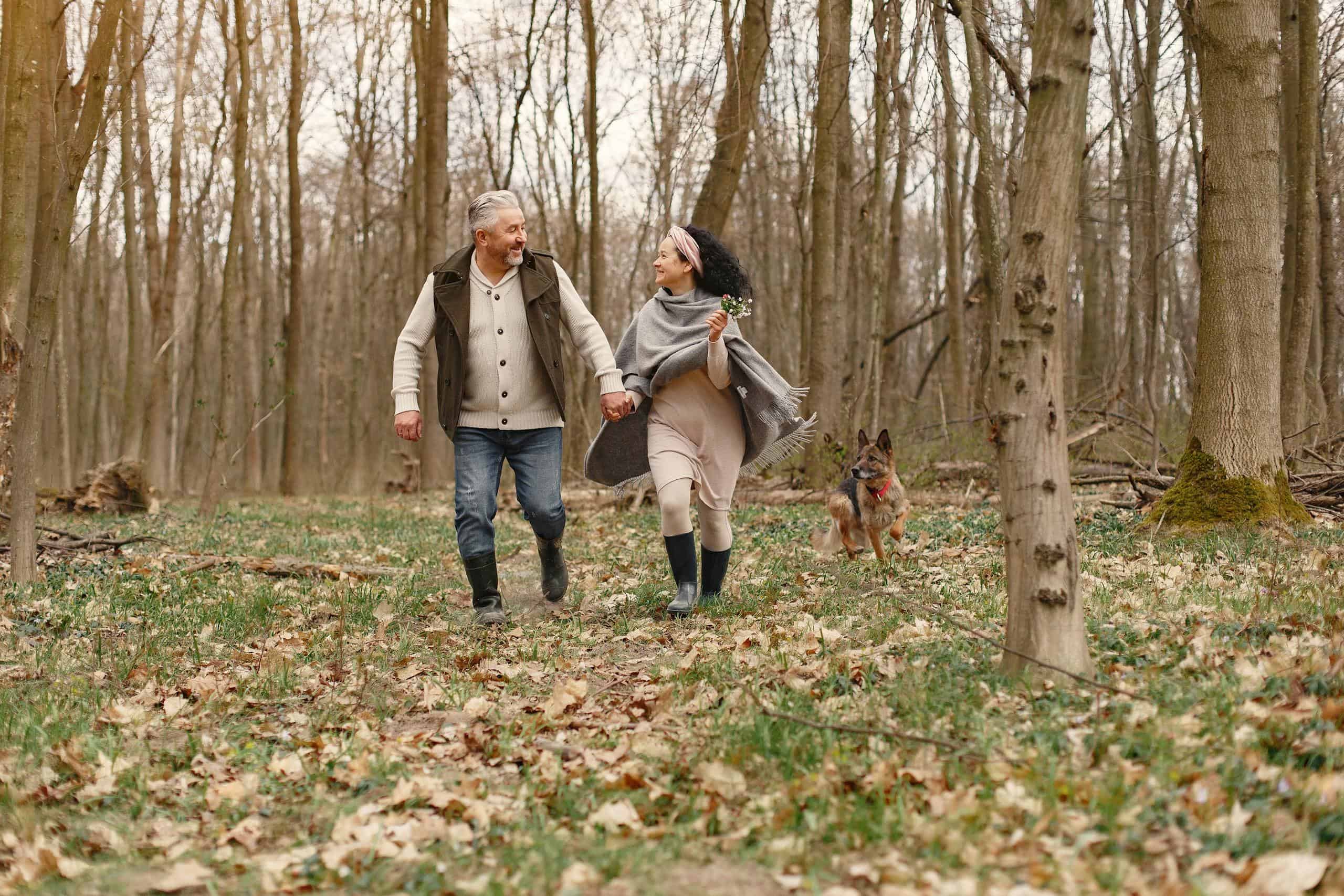
Now, if you’re someone who enjoys being outdoors, starting or joining a walking group might be right up your alley. Walking groups are fantastic for both fitness and socializing—there’s nothing like a brisk walk with friends to start the day on the right foot. I actually started my own walking group a couple of years ago. It began with just a couple of neighbours who enjoyed morning walks, and before I knew it, we had a regular crew meeting up every Tuesday and Thursday. We walk, chat, and sometimes grab a coffee afterward. It’s such a simple thing, but it’s become a highlight of my week.
If you’re interested in joining or starting a group, here’s how to go about it. First, check out local community boards, either online or at places like your local library or coffee shop. You’d be surprised how many people are looking for the same thing. If you don’t find an existing group that fits your schedule, why not start one yourself? Spread the word among friends, neighbours, or through social media. Set a regular time and place to meet, and keep it consistent. The key is to make it as easy and inviting as possible—no one wants to feel like they’re signing up for boot camp! And don’t be afraid to mix things up; sometimes we’ll switch our route, or even plan a walk in a nearby park just for a change of scenery.
Community engagement goes beyond just exercise. It’s about building relationships, staying motivated, and finding joy in shared experiences. Whether it’s through a group fitness class, an online community, or a walking group, staying social can make all the difference in your fitness journey. So, put yourself out there, find your tribe, and let the energy and encouragement of others propel you toward your goals. After all, staying active is a lot more fun when you’re doing it together!

Conclusion
Active aging isn’t just about adding years to your life—it’s about adding life to your years! By incorporating regular physical activity tailored to your needs, you can enjoy better health, greater independence, and a higher quality of life. Remember, it’s never too late to start. Begin with small steps, stay consistent, and celebrate every milestone. As Helen Keller once said, “Alone we can do so little; together we can do so much.” So, gather your community, get moving, and embrace the vibrant life that lies ahead. Ready to take the first step? Download our free Senior Fitness Planner to start your journey today!
“The groundwork of all happiness is health.” — Leigh Hunt
References
Nguyen, A. T., Lee, J. H., & Smith, R. K. (2021). Physical activity and cognitive function in older adults: A review of recent evidence. Journal of Aging Research, 2021, 8375219. https://doi.org/10.1155/2021/8375219
Peterson, M. D., Rhea, M. R., & Sen, A. (2022). Effectiveness of strength training in counteracting sarcopenia in older adults: A meta-analysis. American Journal of Geriatric Physical Therapy, 30(4), 123-134. https://doi.org/10.1016/j.ajgpt.2022.04.003
Hooper, L., Bunn, D. K., & Abdelhamid, A. (2023). Hydration status and its impact on physical and cognitive performance in older adults. The Journal of Nutrition, Health & Aging, 27(3), 215-224. https://doi.org/10.1007/s12603-023-1907-5