Senior Group Fitness: Maximize Social Benefits with Every Class

Disclosure: My rankings are meticulously crafted using advanced algorithms that analyze a vast number of customer reviews, assessing everything from product quality and brand reputation to customer service and popular trends. While these rankings are based on my independent evaluations and intended to serve as a helpful starting point for your shopping journey, it’s worth noting that by purchasing through my recommendations, you’ll access the best prices I’ve found. Additionally, I may earn a commission at no extra cost to you, which supports my ability to continue offering valuable insights.
Table of Contents
Introduction:
As we explore the emotional, mental, and social benefits of group fitness for seniors, it’s important to recognize how this content expands on key themes from our Ultimate Guide to Active Aging and Physical Fitness for Seniors. In that comprehensive guide, we dive into the physical and mental aspects of staying active in later years, laying the foundation for a well-rounded, healthy lifestyle. Today’s post builds on that by focusing on social connection, which is an essential component of active aging that often goes overlooked.
In addition to maintaining physical fitness, it’s crucial to nurture emotional and mental well-being, which is where group fitness classes come in. Whether you’re engaging in gentle yoga, lively dance classes, or even low-impact chair exercises, these group settings offer more than just a workout—they provide a sense of community and purpose. This post will highlight how fitness programs designed for seniors can reduce isolation, improve mental health, and foster lasting friendships.
We’ll also connect the dots to some of our other articles, like 10 Essential Exercises for Seniors to Dramatically Improve Balance and Coordination, which offers more detailed insights into safe and effective physical movements for seniors. We’ll see how those exercises can be integrated into group classes that support both physical and social well-being. As you’ll discover, it’s not just about staying fit—it’s about staying connected.
For those interested in a holistic approach, check out Embracing a Holistic Life with Tom Steven, where we discuss how to incorporate mental, physical, and emotional elements into daily routines. If you’re looking for more specialized fitness programs, Chair Yoga for Seniors: 7 Simple Poses to Boost Flexibility is an excellent resource that can easily complement the group fitness programs we’ll explore in this post.
Let’s dive deeper into the social and emotional benefits of group fitness and how these classes can enhance both your physical health and sense of belonging in your golden years.

The Power of Social Interaction in Senior Group Fitness Classes
One of the most underrated benefits of group fitness classes for seniors is the power of social interaction. We all know that staying active is important for our bodies as we age, but what often gets overlooked is how vital it is to stay socially connected. For many seniors, social isolation can creep in after retirement, or as friends and family move away. That’s where group fitness comes in—it’s a fantastic way to break the cycle of isolation and foster new, meaningful connections.
Research supports this. A 2022 study published in Recreation, Parks, and Tourism in Public Health found that older adults who participated in group fitness classes highly valued the social bonds they formed. The study revealed that seniors often made new friends or strengthened existing relationships through these classes. Participants appreciated the non-competitive and inclusive environment, which supported individuals from all backgrounds and fitness levels (Liechty et al., 2022). This atmosphere is essential for helping seniors feel welcomed and supported, and it facilitates the development of a strong sense of belonging, both within and outside of the fitness class.
“Exercise is as much about strengthening relationships as it is about strengthening muscles.” – Unknown
I remember my first time joining a group fitness class specifically for seniors. I was nervous, thinking I wouldn’t fit in or that everyone would already know each other. But to my surprise, the atmosphere was the exact opposite—there was an immediate sense of camaraderie. The other participants were warm and welcoming, and within minutes, I realized that the class was more than just about exercise. It was about shared experiences and goals, creating an environment where you naturally start to bond with the people around you.
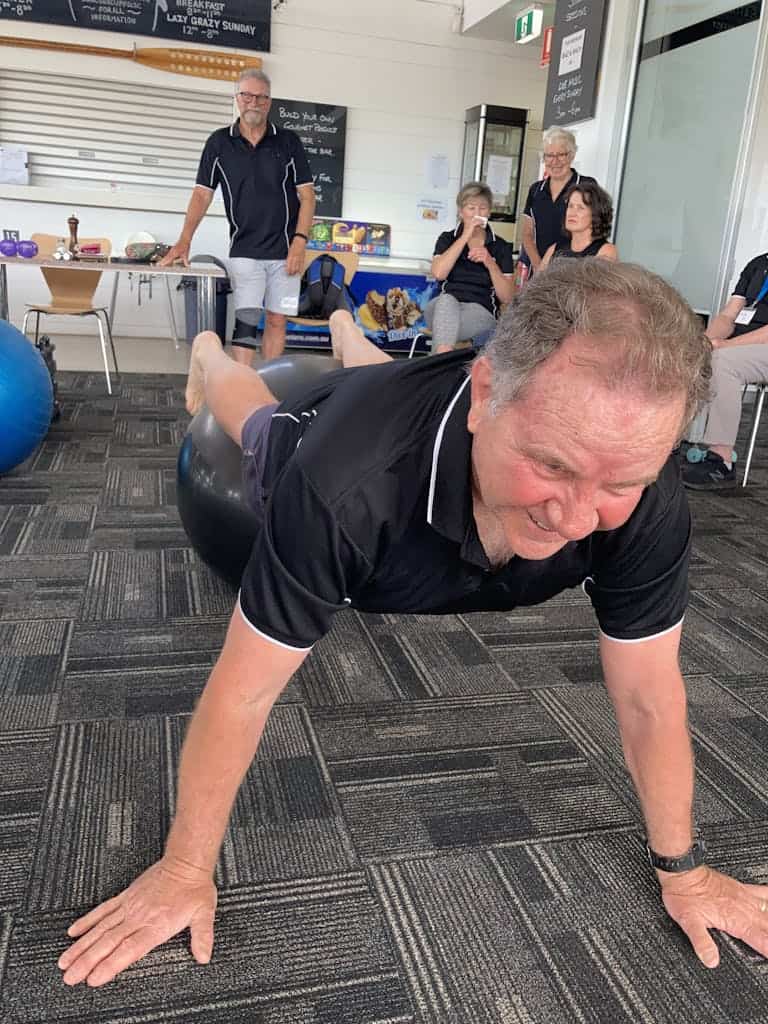
The way these classes bring people together is something special. Whether it’s sharing a laugh over trying to perfect a yoga pose or cheering each other on in a water aerobics class, the interactions feel genuine. It’s this friendly environment that helps improve not just our physical health, but our mental health as well. Feeling like you’re part of a community can reduce stress, boost self-esteem, and even help manage anxiety or depression. Studies have shown that socially active seniors are less likely to suffer from depression, and group fitness classes offer the perfect low-pressure environment to make friends (Liechty et al., 2022).
For more ideas on how to stay socially engaged while exercising, check out How to Start a Walking Program for Seniors: A Beginner’s Guide. Walking programs are a great low-impact way for seniors to work out while building new social connections.
In these settings, everyone is working towards similar goals—staying fit, staying healthy, and staying engaged. There’s no competition, no judgment—just mutual support. Over time, you’ll find that these friendly faces become a source of encouragement, not just in the fitness realm, but in life too. In fact, many seniors report making long-lasting friendships through group fitness. These friendships often go beyond the class itself—whether it’s grabbing a coffee after a workout or meeting up for social activities outside of the fitness center. It’s a ripple effect; the connections made in class enrich their social lives, which in turn boosts both their emotional and social health.
So, if you’ve been feeling a bit isolated or craving some new connections, a group fitness class could be just the thing you need. It’s more than just a workout—it’s a way to stay socially engaged, improve your mood, and maybe even form lasting relationships along the way. Trust me, after a few classes, you’ll not only feel stronger physically, but you’ll also feel the warmth of being part of a supportive community that truly understands the value of staying connected.
Key Takeaways:
- Group fitness helps break the cycle of social isolation for seniors.
- Working out together fosters bonding through shared experiences.
- The friendly, low-pressure environment can significantly improve mental health.
- Many seniors form lasting friendships through group fitness, boosting their overall emotional well-being.
These classes aren’t just about keeping fit—they’re about creating a support system, filled with encouragement and camaraderie.
Types of Senior Group Fitness Classes to Enhance Social Connections
One of the best parts about group fitness for seniors is that there’s something for everyone, no matter your fitness level or mobility. It’s not just about the physical benefits—it’s about having fun and staying socially connected. Whether you prefer gentle stretches or a bit of dancing, there’s a class that fits your needs and offers a perfect opportunity to enhance social connections.
Here’s a breakdown of some of the most popular group fitness options for seniors, each with its own unique way of fostering interaction and community.
Yoga and Pilates
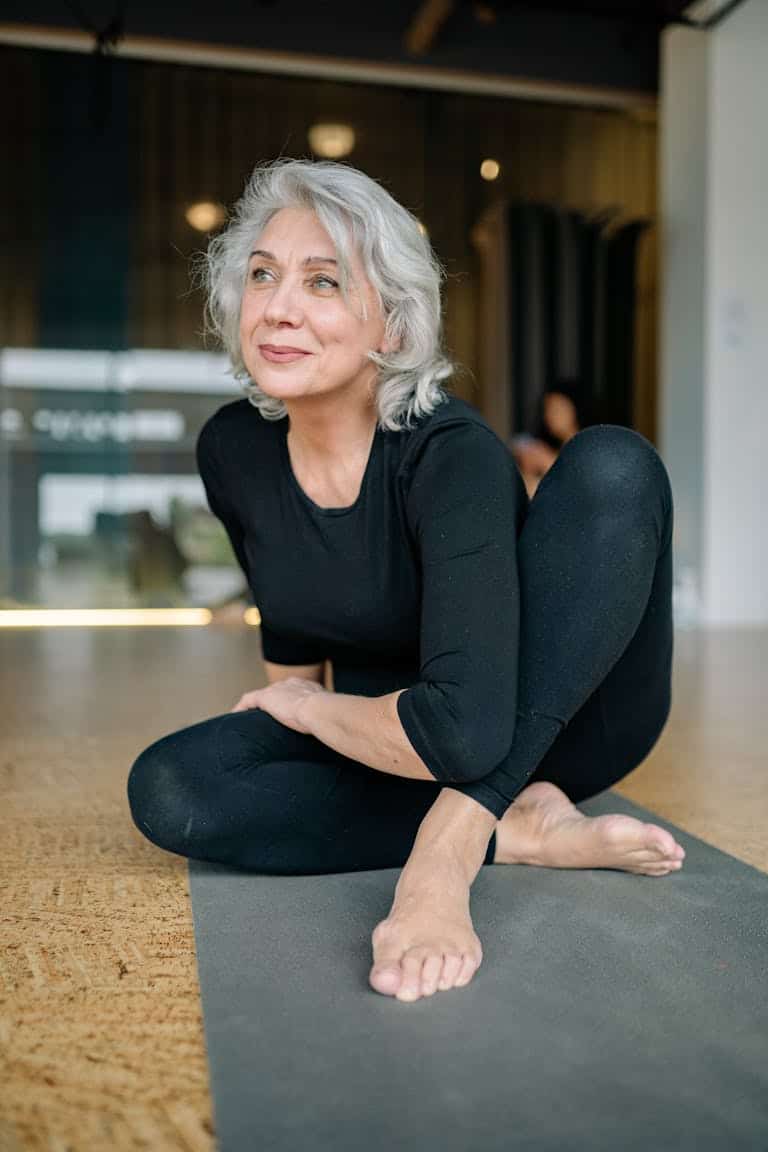
If you’re looking for a way to build strength, flexibility, and calm your mind, yoga and Pilates are fantastic choices. What makes these classes so great for seniors is that they’re gentle on the body but effective. You’re not only working on balance and core strength but also practicing mindfulness, which is a great way to relax and bond with others.
For those interested in yoga, particularly if you’re new to it, check out Chair Yoga for Seniors: 7 Simple Poses to Boost Flexibility and Best 15 Yoga Mats for Seniors to Enhance Flexibility for helpful tools and tips. Chair yoga provides extra support for seniors with limited mobility, allowing them to benefit from stretching and mindfulness in a group setting.
One thing I love about yoga and Pilates is the sense of connection that comes from moving and breathing in sync with others. It’s a quiet but powerful way to feel a sense of unity, and the small group setting often leads to deeper conversations before or after class. Plus, many classes end with a group relaxation session, leaving everyone in a great mood to socialize.

Water Aerobics
If joint pain or mobility is a concern, water aerobics is an absolute game-changer. The buoyancy of water makes it a low-impact, gentle workout, but don’t be fooled—these classes still pack a punch when it comes to fitness. What’s even better is the social aspect. There’s something about splashing around in a pool with others that makes conversation flow easily (pun intended!).
Participants often chat while doing their routines, and the atmosphere is incredibly supportive. Plus, the shared experience of water workouts tends to bond people quickly. Water aerobics is perfect for seniors who want to stay active without putting too much strain on their joints, all while making new friends.
Dance Classes
When it comes to sheer fun and interaction, nothing beats a good dance class. Whether it’s Zumba Gold, line dancing, or ballroom basics, these classes are all about movement and connection. You’re constantly interacting with others, and the high energy makes it nearly impossible not to smile.
Dance classes often involve switching partners or moving in small groups, which naturally leads to meeting new people. The focus is on having fun rather than perfecting steps, making it a great, low-pressure way to engage socially while staying active. I’ve seen friendships spark on the dance floor that carry on long after the music stops.
Walking Clubs
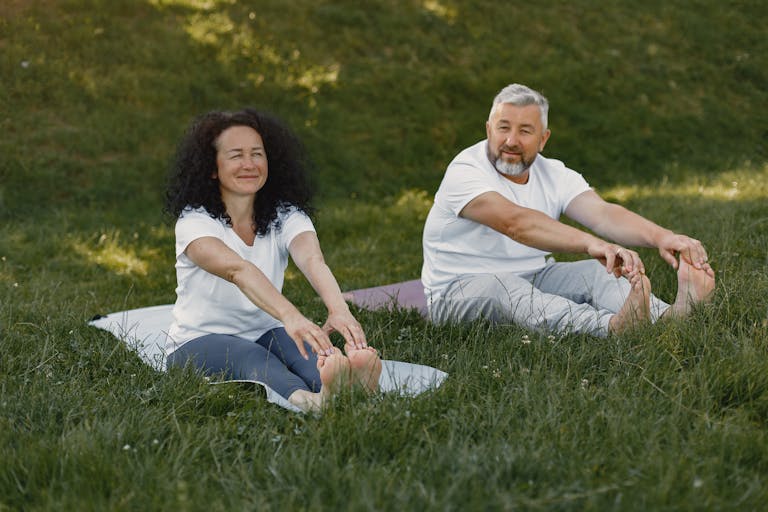
For seniors who prefer being outdoors, walking clubs offer the perfect balance of fitness and conversation. There’s something therapeutic about walking and talking at the same time. It’s a simple activity, but when you’re strolling alongside others, conversations happen effortlessly, and the fresh air adds an extra boost of energy.
As John Muir said, “In every walk with nature, one receives far more than he seeks.”
Whether it’s walking through a park, along a beach, or even in a mall, these clubs are fantastic for fostering social connection in a relaxed setting. I’ve found that walking together helps break down barriers—there’s no pressure, just the rhythm of steps and stories being shared. Plus, walking clubs often become a weekly tradition, giving participants something to look forward to regularly.
Chair Exercises
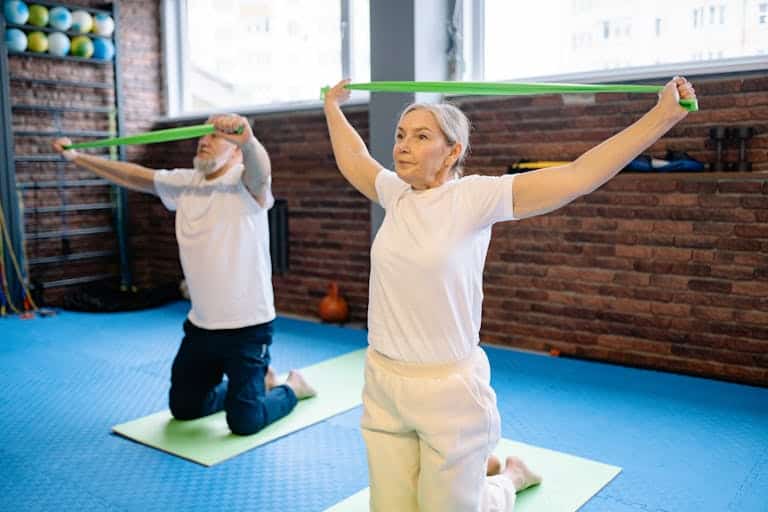
For seniors with limited mobility, chair exercises provide an excellent way to stay active without sacrificing the social aspect. These classes are designed to be seated or involve light support, allowing everyone to participate at their own pace.
Even though the movements are gentle, there’s still a sense of shared achievement that brings people together. I’ve seen firsthand how participants in chair exercise classes often strike up conversations during rest breaks, and they leave with new friendships forming. The inclusive nature of these classes makes them a safe, welcoming space where no one feels left out, regardless of physical ability.
Why These Classes Work for Social Connection
The beauty of these classes is that they’re not just about fitness; they’re about building relationships. Each class type encourages interaction, whether it’s through paired exercises, group discussions, or simply enjoying the movement together. The atmosphere is almost always non-competitive, which helps break the ice for newcomers who may feel nervous about trying something new.
In senior-specific classes, the emphasis is often on creating a welcoming and inclusive environment where everyone feels like they belong. This is key for fostering social bonds—when people feel safe and supported, they’re more likely to open up and connect. I’ve seen so many seniors walk into a class as strangers and leave as friends, and that’s one of the most beautiful things about group fitness.
Key Takeaways:
- Yoga and Pilates help build strength and connection through gentle movement.
- Water aerobics provides a low-impact, group-friendly way to stay active and chat.
- Dance classes are fun, interactive, and a great way to meet new people.
- Walking clubs offer conversation and fitness in an outdoor setting.
- Chair exercises ensure that even seniors with limited mobility can enjoy the benefits of group fitness and socialization.
Each of these classes not only supports physical health but also nurtures social well-being, giving seniors a chance to build lasting connections while staying active. Whether it’s through a shared laugh in a yoga class or a conversation during a walk, the opportunity for connection is always there. It’s all about finding the class that speaks to you and jumping in—you never know who you might meet!
Emotional and Mental Health Benefits of Group Fitness for Seniors
It’s no secret that staying physically active is important for seniors, but what often goes under the radar is how much group fitness can do for emotional and mental health. Group fitness classes aren’t just about getting in a good workout—they create an environment where social connections, routine, and purpose come together to support overall well-being. These benefits extend far beyond the physical, especially when it comes to reducing feelings of loneliness and isolation.
According to a 2021 study in Aging Clinical and Experimental Research, group-based physical activity (GBPA) significantly improves social connectedness in seniors. The study found that older adults who participated in GBPA reported stronger social ties, which played a crucial role in reducing loneliness and its associated negative health impacts (Sebastião & Mirda, 2021). For seniors, this sense of connection is vital, as regular social interaction not only improves emotional health but also helps to combat depression. Group fitness classes provide the opportunity for seniors to build a community, offering both emotional support and companionship in a structured, engaging environment.
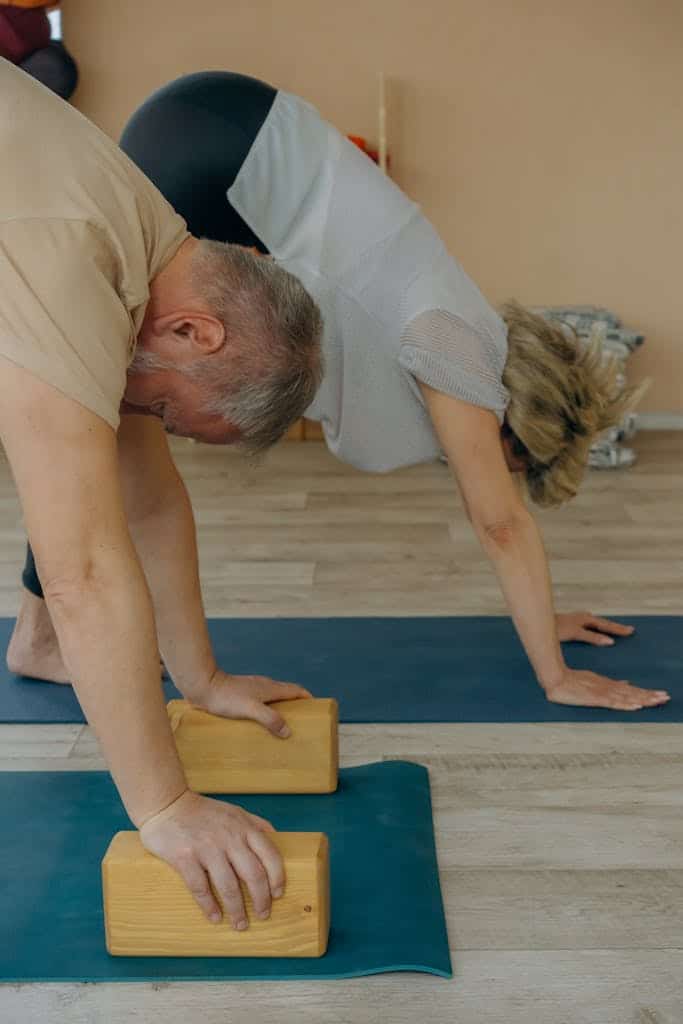
We’ve all been there: sometimes life just feels a little too quiet, especially as we get older and social circles shrink. But here’s the thing—group fitness is an amazing way to break out of that isolation. Simply being in a room full of people who share your goal of staying healthy can do wonders for your mood. Even if it’s just small talk before or after class, those interactions can help fill the social gaps that many seniors experience. The friendships that blossom in these settings—whether it’s chatting during breaks or meeting up outside of class—brighten your day and add a much-needed social aspect to your routine.
One of the most powerful things about exercise is its ability to naturally improve your mood. Exercise stimulates the production of endorphins, the body’s natural “feel-good” hormones, which help reduce stress and anxiety. Combine that with the social element of a group class, and the positive effects are amplified. Many seniors leave group fitness classes feeling more upbeat and energized, not just physically but emotionally, too.
As Carol Welch wisely said, “Movement is a medicine for creating change in a person’s physical, emotional, and mental states.”
But there’s more to it than just feeling good in the moment. Group fitness also plays a role in keeping your brain sharp. Research shows that socializing in a group setting helps seniors avoid cognitive decline and can even boost memory. When you engage in physical activity, your body and brain both benefit from the workout. Adding social interaction further stimulates the mind, making it an excellent way to maintain mental agility. Whether it’s following the instructor’s cues, coordinating movements, or chatting with fellow participants, group fitness keeps both the body and brain active.
One thing I’ve always appreciated about group fitness classes is the sense of routine and purpose they provide. Having a regular class to attend gives your week structure and something to look forward to. For seniors who may feel aimless or isolated, this sense of purpose can have a massive impact on emotional well-being. Showing up consistently, seeing familiar faces, and feeling like you’re part of a community fosters a sense of belonging that’s crucial to fighting loneliness or depression.
Instructors also play a vital role in creating a supportive environment. Regular interactions with peers in a fitness class can dramatically improve a senior’s mental health. It’s not just about having someone to talk to—it’s about being in a space where you feel encouraged. Whether you’re high-fiving someone after finishing a tough exercise or receiving a “good job” from the instructor, these small, positive reinforcements build confidence and make you feel valued.
For those interested in further exploring how mental well-being and mindfulness practices like meditation can improve overall health, especially for seniors managing chronic conditions like diabetes, check out Unlock Your Health Potential: The Power of Meditation for Diabetes Management.
Key Takeaways:
- Participating in group fitness helps reduce loneliness and isolation by providing social interaction and community.
- Endorphins released during exercise improve mood, reduce stress, and promote emotional well-being.
- Socializing in a group setting can boost memory and help prevent cognitive decline in seniors.
- Fitness classes offer a sense of routine and purpose, contributing to overall emotional health and life satisfaction.
When seniors participate in group fitness, they’re not just keeping their bodies strong—they’re keeping their minds and spirits in shape, too. The positive effects go far beyond the physical, leading to better emotional health, increased mental sharpness, and most importantly, a stronger sense of community. Whether you’re looking to meet new people, stay mentally sharp, or just improve your mood, group fitness classes can be a real game-changer for your emotional and mental well-being.
How to Encourage Social Bonds in Senior Group Fitness Classes
Instructors play a key role in fostering social bonds during group fitness classes, whether in-person or online. According to a 2023 study published in Age and Ageing, volunteer-led online group fitness classes for seniors helped participants feel less isolated and more engaged. Even in virtual settings, seniors formed strong social connections, which provided a sense of belonging and motivation to remain active (Lim et al., 2023).
This research is particularly important as it shows that structured, group-based fitness programs, whether in-person or virtual, can build social networks that motivate ongoing participation. Instructors can take steps to enhance these bonds by encouraging teamwork during exercises, organizing post-class gatherings, or offering virtual spaces for conversation. The adaptability of these fitness programs makes it possible for homebound seniors to enjoy the benefits of social interaction, no matter the setting.
As Helen Keller famously said, “Alone we can do so little; together we can do so much.”
This quote captures the essence of collaboration in fitness classes and highlights the power of working together to foster meaningful connections.
Let’s look at several strategies to enhance social interaction in senior group fitness classes.
1. Pair Up for Teamwork
One of the easiest ways to foster interaction is by pairing up participants for exercises that require a partner. Whether it’s balance drills in a yoga class or light resistance exercises in chair fitness, partnering up encourages conversation and cooperation. This is particularly helpful for newcomers who may feel shy. Having a partner makes the workout more enjoyable and provides the perfect opportunity to get to know someone.
For example, when I first joined a senior fitness class, the instructor paired us for light stretching exercises. By the end of the class, I felt like I had made a new friend because we worked together. It’s amazing how a little teamwork can turn a simple fitness routine into a bonding experience.
2. Group-Based Challenges for Cooperation
Another fun way to boost interaction is through group-based challenges that require cooperation or friendly competition. These challenges can be as simple as seeing how many steps a group can take in a walking club or participating in a light-hearted water aerobics competition. Working together to meet a goal creates a sense of shared accomplishment, which strengthens bonds within the group.
Group challenges also add excitement and encourage seniors to cheer each other on. The unity that comes from working toward a common goal can transform fitness classes into powerful social experiences.
3. Post-Class Social Time
Often, the best conversations happen after class. Instructors can organize simple post-workout gatherings, such as coffee meetups, book discussions, or even casual lunches. These relaxed settings allow participants to deepen connections formed during class and build meaningful friendships.
From my experience, there’s something about chatting over a cup of coffee post-workout that helps people open up. After a good workout, people tend to be more relaxed, which makes it easier to form new bonds.
4. Promote Group Inclusiveness
Fitness instructors play a critical role in promoting inclusiveness. Simple gestures, such as introducing participants to one another or rotating partners, can make a huge difference. Ensuring that no one feels left out, especially in a setting where people may feel self-conscious, is essential for creating positive social connections.
Inclusiveness is also key to making newcomers feel welcome. Instructors can facilitate this by encouraging group discussions, pairing up participants, or planning occasional social events outside of class. A non-competitive, welcoming environment fosters the kind of trust and openness that helps seniors connect with one another.
5. Virtual and Hybrid Classes for Homebound Seniors
For seniors who are homebound or unable to attend in person, virtual or hybrid classes provide an excellent opportunity to stay socially connected. These formats allow seniors to engage with others, chat before or after class, and share the experience of working out together, even from a distance.
In a virtual fitness class I attended, we had a five-minute chat before each session where everyone caught up on how their week was going. Even though the class was online, it still felt warm and supportive. For seniors who are isolated due to mobility issues, this can be a lifeline to social interaction.
For seniors who might enjoy a blend of traditional and modern exercise methods, consider checking out Exergames: Combining Fun and Fitness for a Healthier Lifestyle. This tech-driven approach adds a fun dimension to group fitness while encouraging social interaction in a new way.

Key Takeaways:
- Pairing up participants during class encourages teamwork and conversation.
- Group challenges foster cooperation and friendly competition, enhancing social bonds.
- Post-class social time gives seniors a relaxed setting to build deeper connections.
- Inclusiveness promoted by instructors helps everyone feel welcome and engaged.
- Virtual and hybrid classes offer homebound seniors the chance to engage socially and stay connected.
By embracing these practices, senior group fitness classes become more than just a place to work out—they transform into social hubs where seniors can form lasting friendships and feel part of a supportive community. With the right environment, fitness classes help seniors connect, bond, and thrive both physically and socially.
Success Stories: Seniors Thriving Through Group Fitness Socialization
When it comes to the benefits of group fitness for seniors, nothing speaks louder than the real-life stories of individuals whose lives have been transformed by participating in these classes. These testimonials serve as a powerful reminder that staying active is about more than just physical health—it’s about forging deeper social connections, enhancing emotional well-being, and finding a sense of purpose. Here are a few inspiring stories from seniors whose lives have been enriched by group fitness, and how community programs continue to foster inclusion and engagement.
1. Barbara’s Journey: Finding Friendship Through Fitness
Barbara, 72, had always been independent, but after losing her husband, she found herself feeling isolated. A friend suggested she try a local senior fitness class. Initially hesitant, Barbara decided to give it a try. “The first few classes, I barely spoke to anyone,” she recalls. “But after a couple of weeks, I started chatting with the woman next to me, and before I knew it, we were meeting for coffee after every class.”
Through group fitness, Barbara didn’t just improve her strength and balance—she formed a close-knit group of friends. “Now, it’s not just about the exercise—it’s about catching up with the girls and feeling like I belong to something again,” she says. Barbara’s story is a powerful testament to how fitness classes can combat loneliness and foster long-lasting friendships.
“It’s not just about adding years to your life but adding life to your years.” – Unknown
2. George’s Transformation: From Isolation to Social Engagement
At 80, George had seen his social circle shrink. His children lived far away, and many of his friends had moved or were no longer able to get out as much. His doctor suggested staying active to help manage his arthritis, so George joined a local water aerobics class. What he didn’t expect was how much the social aspect of the class would change his life.
“I wasn’t really looking for friends,” George admits, “just a way to keep moving.” But once he started attending regularly, he realized how much he’d missed daily interactions. Now, George meets up with a few classmates for lunch every week after their workouts. “We talk about everything—sports, travel, even our grandkids. It’s like I’ve got a whole new set of buddies,” he says. For George, the social aspect of fitness became just as important as the exercise itself.
3. Community Program Highlight: SilverSneakers and Social Inclusion
One of the most successful programs promoting social inclusion through fitness is SilverSneakers, a program designed specifically for seniors. Offering group fitness classes at local gyms and community centers, often at no cost through Medicare, SilverSneakers is much more than a workout program. It’s a social hub where seniors can connect with others and build lasting friendships.
Mary, a long-time participant, shares how SilverSneakers has impacted her life. “I used to dread going to the gym because I didn’t know anyone, and I felt out of place,” she says. “But with SilverSneakers, everyone is in the same boat. We’re all there to stay healthy and make connections.” Mary and her classmates now organize monthly potlucks and holiday get-togethers, showing how group fitness can extend beyond the gym and into everyday life.
Programs like SilverSneakers are vital for promoting social engagement, giving seniors a chance to stay active while building meaningful relationships. For more insight into how programs like this can contribute to wellness, check out Unleashing the Golden Years: A Comprehensive Guide to Elderly Wellness.
4. Virtual Friendships: Louise and the Power of Online Group Fitness
During the pandemic, many seniors faced increased isolation, especially those with mobility limitations. Louise, 56, had been attending an in-person yoga class before lockdowns began. When she found out about a virtual fitness class specifically for seniors, she hesitated at first but decided to give it a try.
“At first, I wasn’t sure about exercising over Zoom,” Louise says. “But I decided to give it a shot, and what I didn’t expect was how much fun it would be to see everyone’s faces and still feel connected.” Though the class was virtual, Louise and her classmates stayed in touch after each session. They even organized virtual coffee chats, offering emotional support to one another during a difficult time. Louise’s story is a reminder that even virtual fitness classes can provide strong social bonds and a supportive community.
Key Takeaways:
- Barbara’s story shows how group fitness can help seniors overcome loneliness and build meaningful friendships.
- George’s experience illustrates how even those who aren’t seeking social connections can benefit from the camaraderie and engagement of group fitness.
- SilverSneakers exemplifies how community programs can create supportive environments that promote social inclusion for seniors.
- Louise’s virtual experience demonstrates that even online fitness classes can foster emotional connections and maintain social engagement.
These success stories showcase the profound impact that group fitness can have on seniors’ lives—physically, emotionally, and socially. Whether it’s making a new friend, finding a support system, or simply feeling less alone, group fitness can transform lives in unexpected ways. For anyone hesitant about joining a class, these real-life examples serve as a powerful reminder to take that first step toward a healthier, more connected life.
Conclusion
Senior group fitness offers much more than physical benefits—it’s a lifeline to maintaining and building meaningful social connections. Through shared activities, teamwork, and post-class socialization, seniors can combat isolation, improve emotional well-being, and create lasting friendships. Whether it’s yoga, water aerobics, or a simple walking club, there’s a group fitness class waiting to help you connect and thrive. As the famous proverb goes,
“A journey of a thousand miles begins with a single step”
—and your first step could be the one that changes your social life forever.
So, don’t wait! Join a senior group fitness class today and experience the joy of staying fit while building social bonds. Remember, as Virgil wisely said,
“The greatest wealth is health.”
Staying active, both physically and socially, is one of the most valuable gifts you can give yourself in your golden years.
Reference:
- Liechty, T., LeFevour, K., Kerins, A., Baker, B., & Lizzo, R. (2022). Leisure-Time Physical Activity and Sense of Community among Older Adults in a Group. Recreation, Parks, and Tourism in Public Health, 3, 27–46. https://doi.org/10.2979/rptph.3.1.04
- Sebastião, E., & Mirda, D. (2021). Group-based physical activity as a means to reduce social isolation and loneliness among older adults. Aging Clinical and Experimental Research, 1–4. https://doi.org/10.1007/s40520-020-01722-w
- Lim, S., Meredith, S., Agnew, S., Clift, E., Ibrahim, K., & Roberts, H. (2023). 1323 Volunteer-Led Online Group Exercise for Older Adults: A Feasibility and Acceptability Study. Age and Ageing. https://doi.org/10.1093/ageing/afac322.047