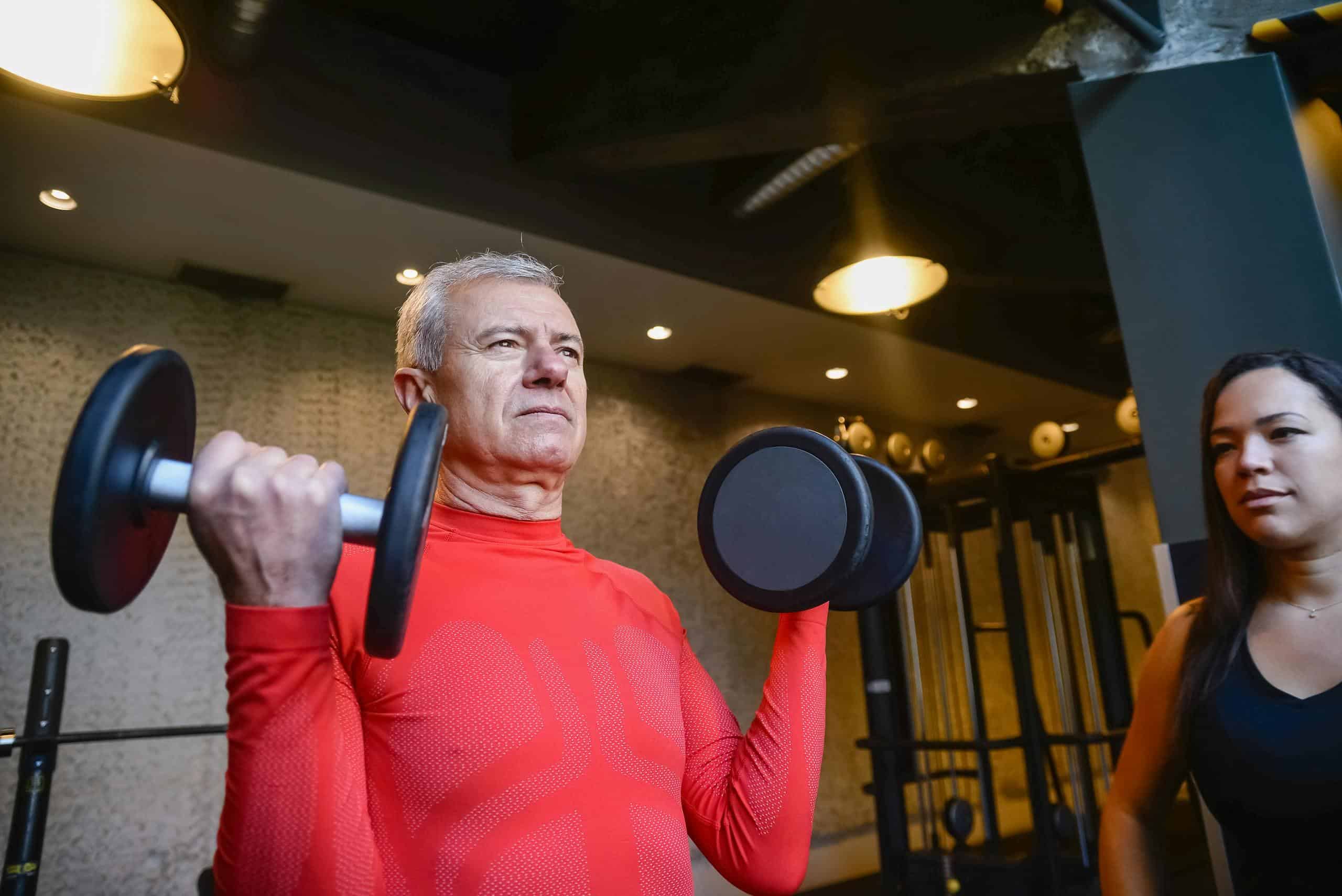
Strength Training for Seniors: Effective Muscle Building After 60

Disclosure: My rankings are meticulously crafted using advanced algorithms that analyze a vast number of customer reviews, assessing everything from product quality and brand reputation to customer service and popular trends. While these rankings are based on my independent evaluations and intended to serve as a helpful starting point for your shopping journey, it’s worth noting that by purchasing through my recommendations, you’ll access the best prices I’ve found. Additionally, I may earn a commission at no extra cost to you, which supports my ability to continue offering valuable insights.
Table of Contents
As we age, maintaining muscle strength isn’t just about looking good—it’s about staying healthy, independent, and full of life. If you’re over 60, you might think that strength training isn’t for you, but let me tell you, it’s never too late to start. The benefits are real, and with the right approach, you can build muscle and improve your overall well-being.
“Strength doesn’t come from what you can do. It comes from overcoming the things you once thought you couldn’t.” — Rikki Rogers
Let’s dive into how you can make strength training a part of your life, no matter your age.
The Importance of Strength Training for Seniors
Strength training isn’t just for bodybuilders or fitness fanatics; it’s essential for everyone, especially seniors. One of the biggest reasons is that it helps fight sarcopenia, which is just a fancy term for the muscle loss that naturally happens as we get older. Starting in our 30s, we lose about 3-5% of our muscle mass per decade, and this process speeds up after 60. But here’s the good news: regular strength training can help slow down, stop, or even reverse this muscle loss.
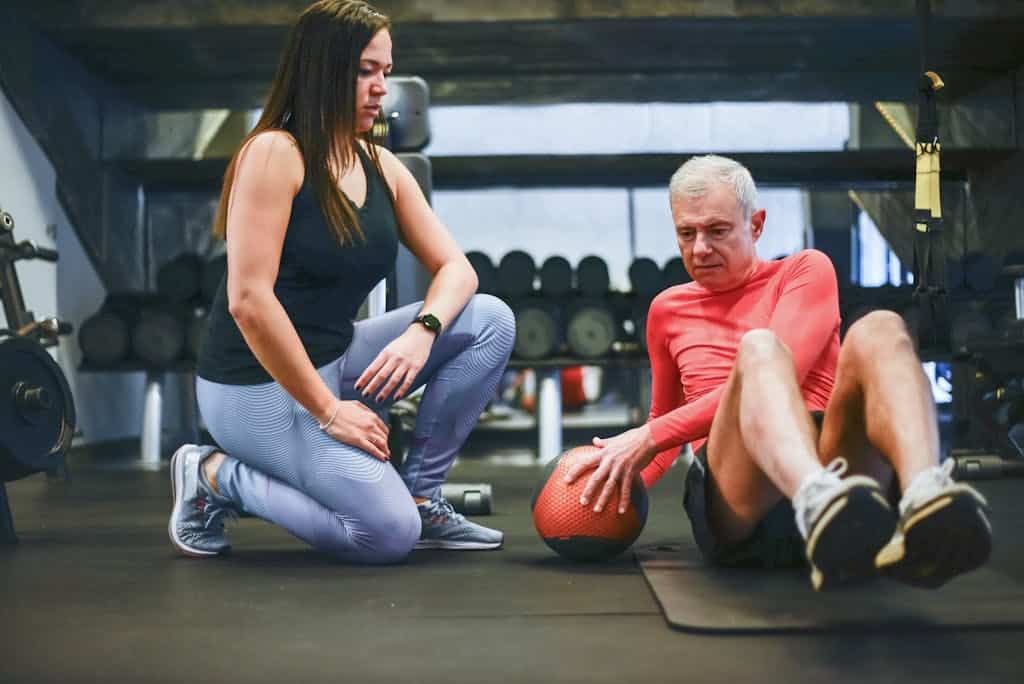
“Aging is not lost youth but a new stage of opportunity and strength.” — Betty Friedan
By building muscle, you’re not only improving your strength but also boosting your bone density, which is crucial for preventing osteoporosis. Plus, there’s the added bonus of enhanced balance and coordination, which can reduce your risk of falls—a common concern as we age. And let’s not forget the mental health benefits. Regular exercise, including strength training, has been shown to reduce symptoms of anxiety and depression, leading to a happier, more fulfilling life.
Recent studies back up these claims. For instance, Marzuca-Nassr et al. (2023) found that resistance exercise training (RET) is highly effective in increasing muscle mass and strength in both younger seniors (65-75 years) and those aged 85 and older. This study is significant because it demonstrates that even those well into their 80s can see substantial benefits from strength training, debunking the myth that strength gains are limited to younger populations.
Safe Strength Training Exercises for Seniors
Now that you know why strength training is so important, let’s talk about how to do it safely. The key is to focus on form and technique. It’s better to lift lighter weights with perfect form than heavier weights with poor form, as the latter can lead to injuries.
“It’s not about having time; it’s about making time.” — Unknown
Here are some beginner-friendly exercises to get you started:
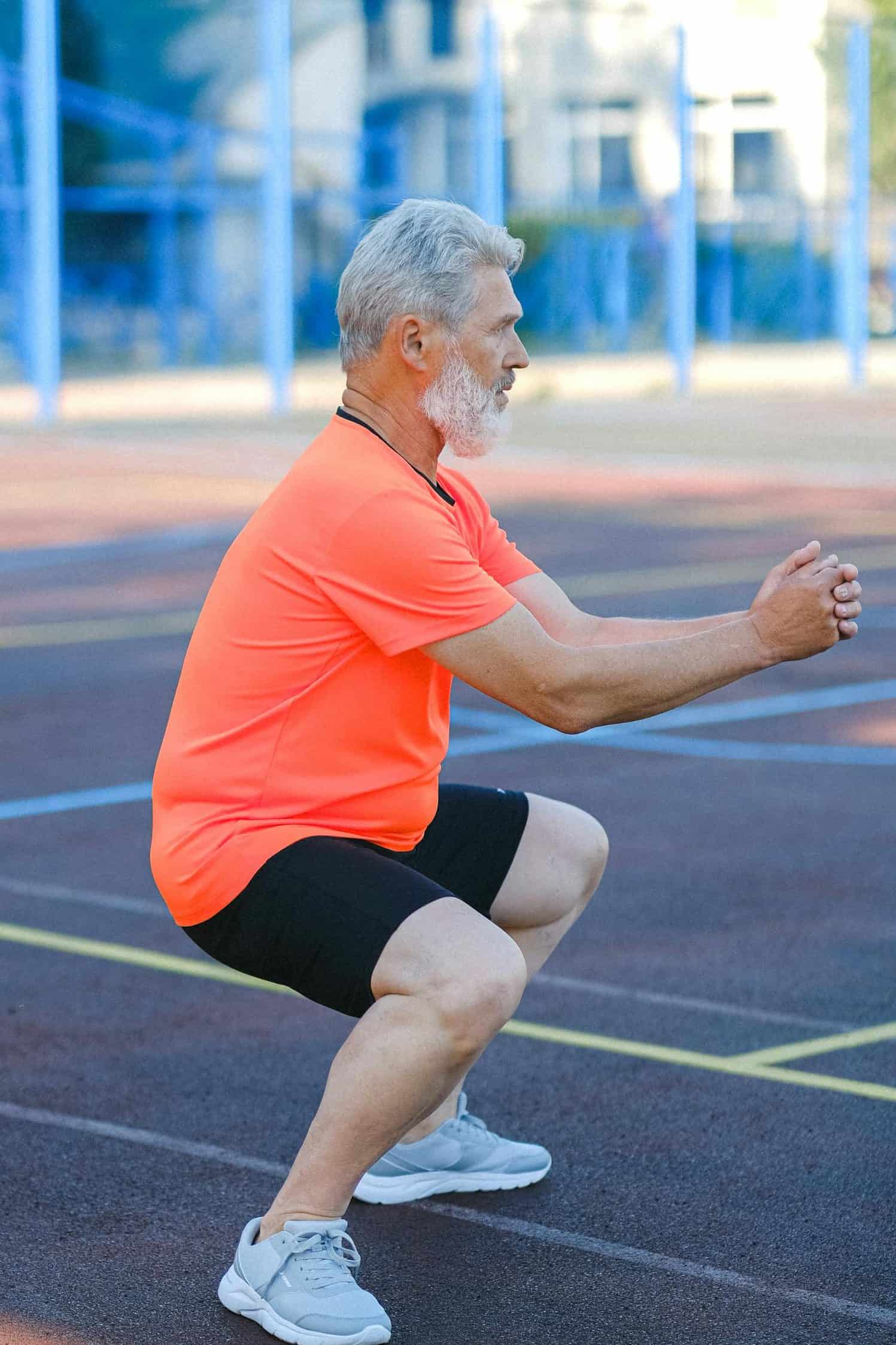
- Bodyweight Squats: These are great for building leg strength and improving balance. Start with a chair behind you to guide your depth, and aim for 10-15 reps.

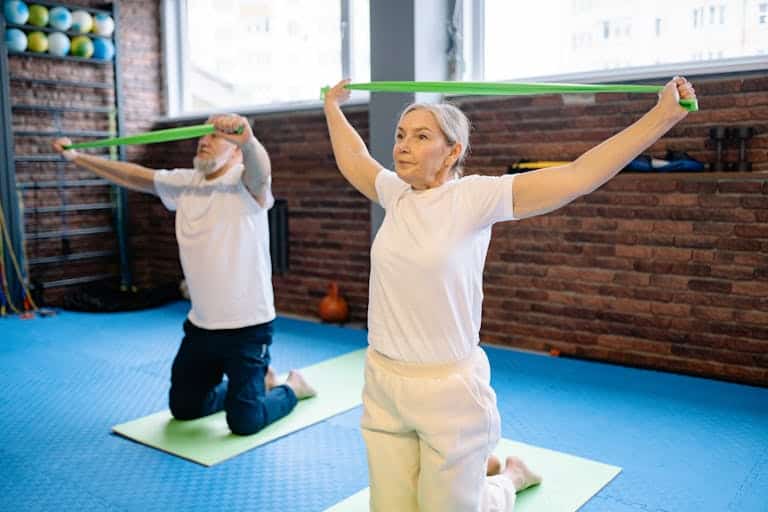
- Resistance Band Rows: This exercise targets your back and arms. Sit or stand with the band anchored securely in front of you, and pull it towards your chest while squeezing your shoulder blades together. Try for 12-15 reps.
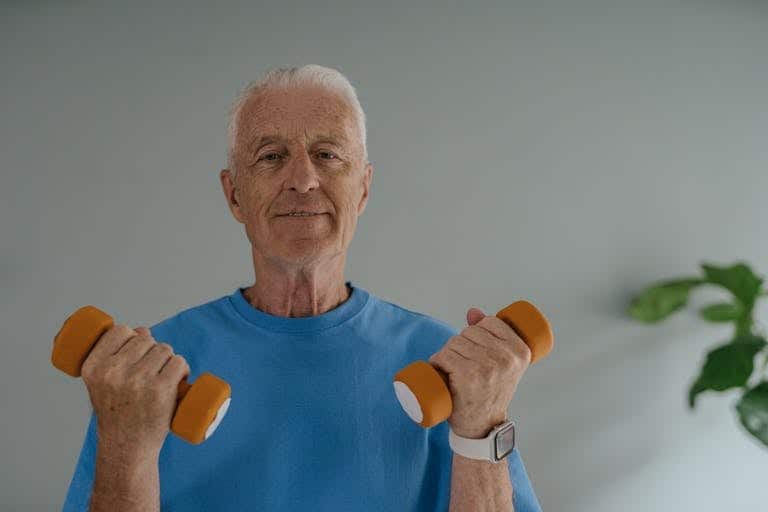
- Dumbbell Chest Press: Lie on your back with a dumbbell in each hand, and press the weights upwards. This move strengthens your chest and arms. Aim for 10-12 reps.
A study by Bastone et al. (2020) found that home-based progressive resistance training significantly improves muscle strength and physical function in older adults. This is particularly relevant because it shows that even without a gym membership, seniors can effectively train at home using simple equipment like resistance bands and light dumbbells.
If you’re new to strength training or have any existing health conditions, consider starting with a trainer who specializes in senior fitness. They can guide you on proper form and create a routine tailored to your abilities.
How to Create a Sustainable Strength Training Routine
Creating a strength training routine that you can stick with is all about finding the right balance. You don’t need to train every day; in fact, 2-3 times a week is ideal for most seniors. Each session should last about 30-45 minutes, focusing on different muscle groups to avoid overtraining.
Rest and recovery are just as important as the workout itself. Make sure to take at least one day off between strength sessions to allow your muscles to repair and grow stronger. And remember, consistency is key. Start slow, and gradually increase the intensity as your strength improves.
“The only bad workout is the one that didn’t happen.” — Unknown
A simple routine might look like this:
- Day 1: Lower body (squats, lunges)
- Day 2: Rest or light cardio (like walking)
- Day 3: Upper body (rows, chest press)
- Day 4: Rest
- Day 5: Full body (combining upper and lower body exercises)
- Day 6 & 7: Rest or light activity
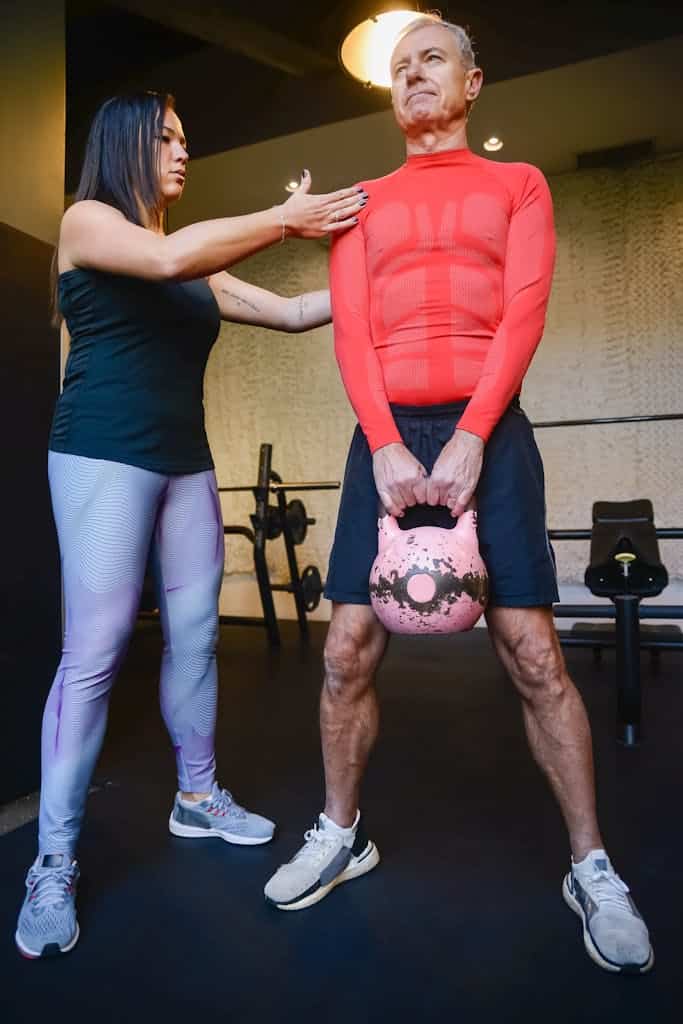
This approach keeps your routine manageable and sustainable, ensuring you stick with it long-term. Cannataro et al. (2022) highlighted in their research that progressive strength training is not only safe but also the most effective method to combat sarcopenia—a critical concern for seniors. This study underscores the importance of a well-structured strength training program as part of a broader strategy to maintain muscle mass and strength as we age.
Common Myths About Strength Training for Seniors
When it comes to strength training for seniors, there are a lot of myths out there. Let’s clear up a few of the big ones:
When it comes to strength training for seniors, there are a lot of myths out there. Let’s clear up a few of the big ones:
Myth 1: “I’m Too Old to Start Strength Training”:
This couldn’t be further from the truth. Studies show that people in their 70s, 80s, and even 90s can build muscle and improve strength with regular training.
“It’s never too late to be what you might have been.” — George Eliot
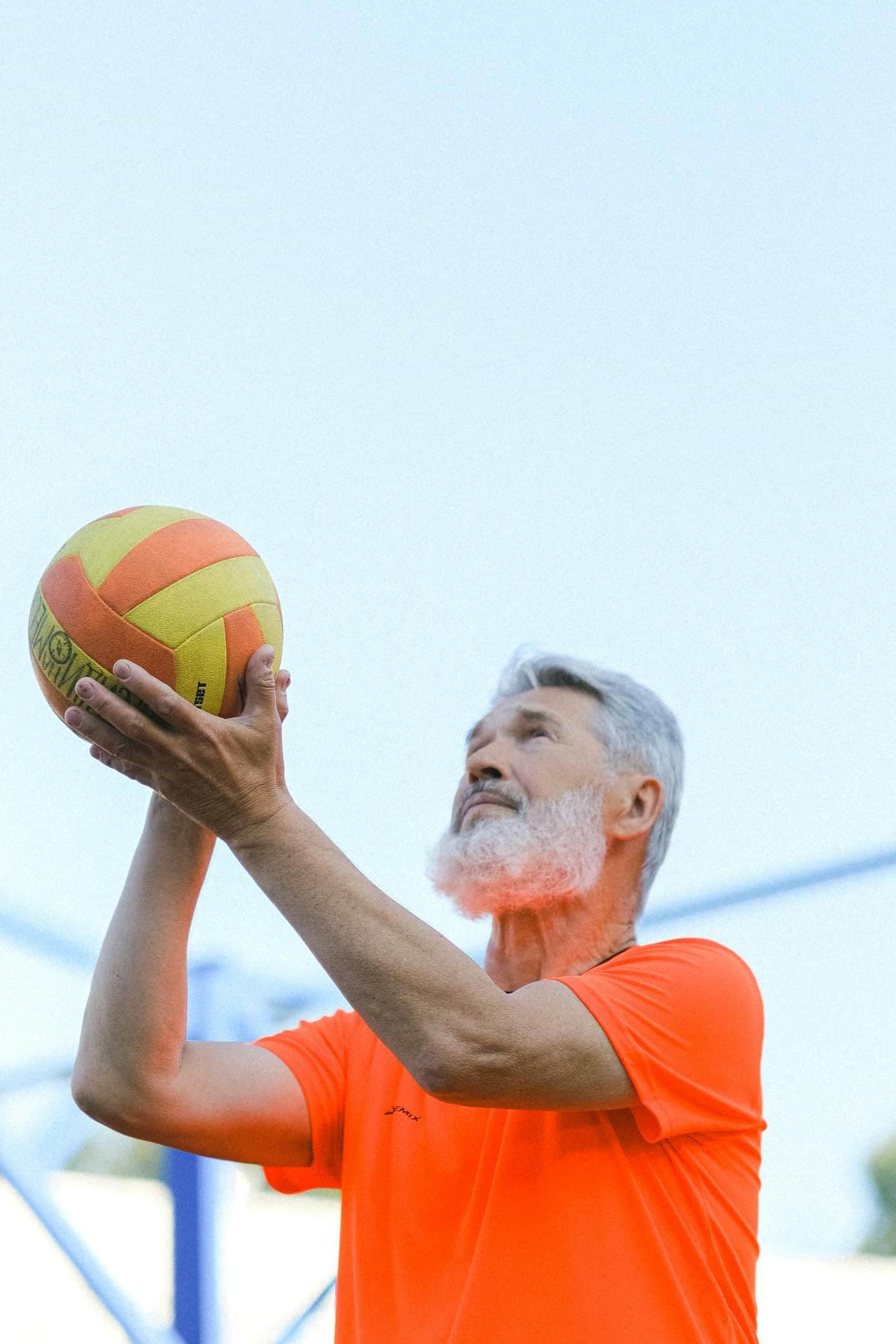
Myth 2: “Strength Training is Dangerous for Seniors”:
Sure, lifting weights comes with some risk, but so does any physical activity. The key is to start with light weights, focus on proper form, and progress gradually. The risks are far outweighed by the benefits, especially when you consider that strength training can actually reduce your risk of falls and injuries.
Myth 3: “Cardio is Enough”:
Cardio is great for your heart and lungs, but it doesn’t do much for your muscles. Strength training, on the other hand, helps maintain muscle mass, improves bone density, and boosts metabolism, making it a crucial part of a well-rounded fitness routine.
Nutrition Tips to Support Strength Training
You’ve probably heard the saying, “You can’t out-train a bad diet.” This is especially true when it comes to building muscle. As we age, our bodies need more protein to maintain and build muscle, so it’s important to make sure you’re getting enough.
Aim for a source of protein with each meal—think lean meats, fish, eggs, dairy, beans, or tofu. If you’re strength training regularly, you might also consider a protein supplement like whey or plant-based protein powder to help meet your needs.

Staying hydrated is another often-overlooked part of the equation. Dehydration can lead to fatigue and muscle cramps, so make sure you’re drinking enough water throughout the day, especially before and after your workouts.
Finally, certain supplements might be beneficial, but it’s always best to talk to your doctor before starting anything new. Calcium and vitamin D are important for bone health, especially if you’re strength training, while omega-3 fatty acids can help reduce inflammation and support joint health.
“Take care of your body. It’s the only place you have to live.” — Jim Rohn
Proper nutrition is a critical part of ensuring that your strength training efforts are as effective as possible.

Conclusion
Strength training is a powerful tool for staying healthy and independent as we age. It’s never too late to start, and the benefits are truly life-changing—from building muscle and improving bone density to boosting mental health and reducing the risk of falls. By incorporating safe, effective exercises into a sustainable routine, and supporting your efforts with proper nutrition, you can build strength and vitality well into your golden years.
So why wait? Start your strength training journey today, and embrace the strength that comes with age.
“You don’t stop exercising because you grow old. You grow old because you stop exercising.” — Dr. Kenneth Cooper
Choose to be strong, no matter your age.
References
- Marzuca-Nassr, G. N., Alegría-Molina, A., SanMartín-Calísto, Y., Artigas-Arias, M., Huard, N., Sapunar, J., Salazar, L. A., Verdijk, L., & van Loon, L. J. C. (2023). Muscle mass and strength gains following resistance exercise training in older adults 65-75 years and older adults above 85 years. International Journal of Sport Nutrition and Exercise Metabolism, 1(1), 1-9. https://doi.org/10.1123/ijsnem.2023-0087
- Bastone, A. C., Nobre, L. N., Moreira, B. S., Rosa, I. F., Ferreira, G. B., Santos, D. D. L., Monteiro, N. K. S., Alves, M. D., Gandra, R. A., & de Lira, E. M. (2020). Independent and combined effect of home-based progressive resistance training and nutritional supplementation on muscle strength, muscle mass, and physical function in dynapenic older adults with low protein intake: A randomized controlled trial. Archives of Gerontology and Geriatrics, 89, https://doi.org/10.1016/j.archger.2020.104098
- Cannataro, R., Cione, E., Bonilla, D., Cerullo, G., Angelini, F., & D’Antona, G. (2022). Strength training in elderly: A useful tool against sarcopenia. Frontiers in Sports and Active Living, 4(1), 950949. https://doi.org/10.3389/fspor.2022.950949
These references provide evidence-based support for the importance of strength training in older adults, highlighting the positive impact it can have on muscle mass, strength, and overall health.