
Unlocking Biofeedback: Powerful Insights into Body Reactions

Disclosure: My rankings are meticulously crafted using advanced algorithms that analyze a vast number of customer reviews, assessing everything from product quality and brand reputation to customer service and popular trends. While these rankings are based on my independent evaluations and intended to serve as a helpful starting point for your shopping journey, it’s worth noting that by purchasing through my recommendations, you’ll access the best prices I’ve found. Additionally, I may earn a commission at no extra cost to you, which supports my ability to continue offering valuable insights.
Table of Contents
Introduction:
Have you ever wondered how your body reacts to stress? Biofeedback is a fascinating field that lets you peek into your body’s responses, from heart rate to muscle tension. Imagine understanding your own physiological reactions and using that knowledge to manage stress and improve your health! In this article, we’ll explore the world of biofeedback, uncovering how these devices work, their practical applications, and how they can transform your health journey.
What is Biofeedback?
Let me take you on a journey into the fascinating world of biofeedback. You might not have heard much about it, but biofeedback is a revolutionary method for understanding and controlling your body’s physiological responses. Imagine having the ability to monitor your heart rate, muscle tension, or even brain waves—all in real-time! This incredible tool, known as biofeedback, can help you gain insights into how your body reacts to stress and other stimuli, allowing you to manage your health more effectively.
So, what’s the big deal about biofeedback devices? Well, they provide a unique window into your body’s inner workings. I remember my first experience with EMG biofeedback, where I could see my muscle tension levels spiking whenever I felt stressed. It was like a lightbulb moment! Seeing those numbers helped me understand how much stress I was carrying and motivated me to practice relaxation exercises. This is just one example of how biofeedback can enhance your awareness of bodily functions.
Biofeedback has been around since the 1960s and has evolved significantly. Today, various types of biofeedback devices, such as EMG, EEG, and GSR biofeedback, cater to different needs. EMG biofeedback focuses on muscle tension, EEG biofeedback on brain waves, and GSR biofeedback on skin conductance. Each of these tools can help you understand different aspects of your physiological responses, making them valuable for stress reduction, anxiety management, and overall mental health improvement.
By becoming aware of these physiological signals, you can learn to control them, turning biofeedback into a powerful tool for self-regulation. For example, I learned to lower my heart rate using biofeedback, making public speaking much less nerve-wracking. It’s like having a manual for your own body, guiding you to better health and well-being.

Types of Biofeedback Devices and Their Uses
Now that you know what biofeedback is, let’s dive into the different types of biofeedback devices and their practical applications. Each type offers unique insights into your body’s physiological responses, helping you address specific health concerns.
EMG Biofeedback: This type of biofeedback measures muscle tension. It’s particularly useful for people experiencing chronic pain or muscle-related stress. I once used an EMG device to monitor my jaw tension during a stressful period at work. The real-time feedback helped me recognize when I was tensing up and practice relaxation techniques, significantly reducing my discomfort.
EEG Biofeedback: Also known as neurofeedback, this method focuses on brain wave activity. It’s fascinating because it shows you how different mental states, like relaxation or concentration, affect your brain. I experimented with an EEG biofeedback device during a mindfulness workshop. It was eye-opening to see how my brain waves shifted as I moved from a relaxed state to focused attention. Neurofeedback can be a valuable tool for improving mental health, particularly in managing ADHD or enhancing meditation practices.
GSR Biofeedback: This measures the electrical conductance of your skin, which varies with sweat gland activity. It’s a great indicator of emotional arousal and stress levels. Using a GSR device, I realized how often I got stressed over minor things, like traffic jams. The biofeedback data helped me practice deep breathing and other stress management techniques, making daily annoyances much more manageable.
Each of these biofeedback devices can be used for various applications, from enhancing athletic performance to aiding in mental health improvement. For example, athletes often use biofeedback to optimize muscle use, while those with anxiety might find GSR biofeedback helpful in identifying stress triggers. The versatility of biofeedback makes it a valuable tool for anyone looking to improve their health and wellness.
Benefits of Biofeedback in Health Management
Biofeedback isn’t just a cool tech gadget; it’s a powerful tool for health management. One of the most significant benefits is the enhancement of bodily awareness. Before I started using biofeedback, I was pretty oblivious to the subtle signs my body was giving me. For instance, I had no idea that my shoulders tensed up when I was stressed until I saw it on an EMG device. This newfound awareness has been crucial in learning to relax and reduce tension.
Another incredible benefit is managing stress and anxiety. Biofeedback provides real-time data on your body’s stress responses, allowing you to take immediate action to calm down. I used HRV biofeedback to monitor my heart rate variability, a key indicator of stress. The feedback helped me practice breathing exercises that significantly lowered my stress levels. It’s like having a personal coach guiding you toward a calmer, more centered life. Recent studies have shown that biofeedback can be particularly effective in managing anxiety and pain, especially when utilized through portable, home-use devices (Ly et al., 2023).
As the famous psychologist William James once said, “The greatest weapon against stress is our ability to choose one thought over another.”
Biofeedback also plays a crucial role in managing chronic conditions. Whether you’re dealing with migraines, high blood pressure, or chronic pain, biofeedback can help. For example, thermal biofeedback can teach you to increase blood flow to your hands, reducing tension and potentially alleviating migraines. I met someone who used this technique and saw a dramatic decrease in the frequency and severity of their migraines.
Moreover, biofeedback supports mental health therapies. It’s often used alongside other treatments to manage conditions like PTSD, ADHD, and anxiety disorders. Personally, neurofeedback helped me improve my focus and reduce anxiety. By training my brain to produce more alpha waves associated with relaxation, I found it easier to manage stressful situations. Research supports these findings, demonstrating significant benefits in reducing symptoms of chronic pain and associated anxiety (Patel et al., 2020).
Biofeedback empowers you to take control of your health. Instead of relying solely on medication or traditional therapies, you can actively participate in your healing process. It’s all about understanding your body’s signals and using that knowledge to make positive changes. So, if you’re looking for a way to enhance your health and well-being, biofeedback offers a practical, non-invasive solution.
How Biofeedback Works: The Science Behind It
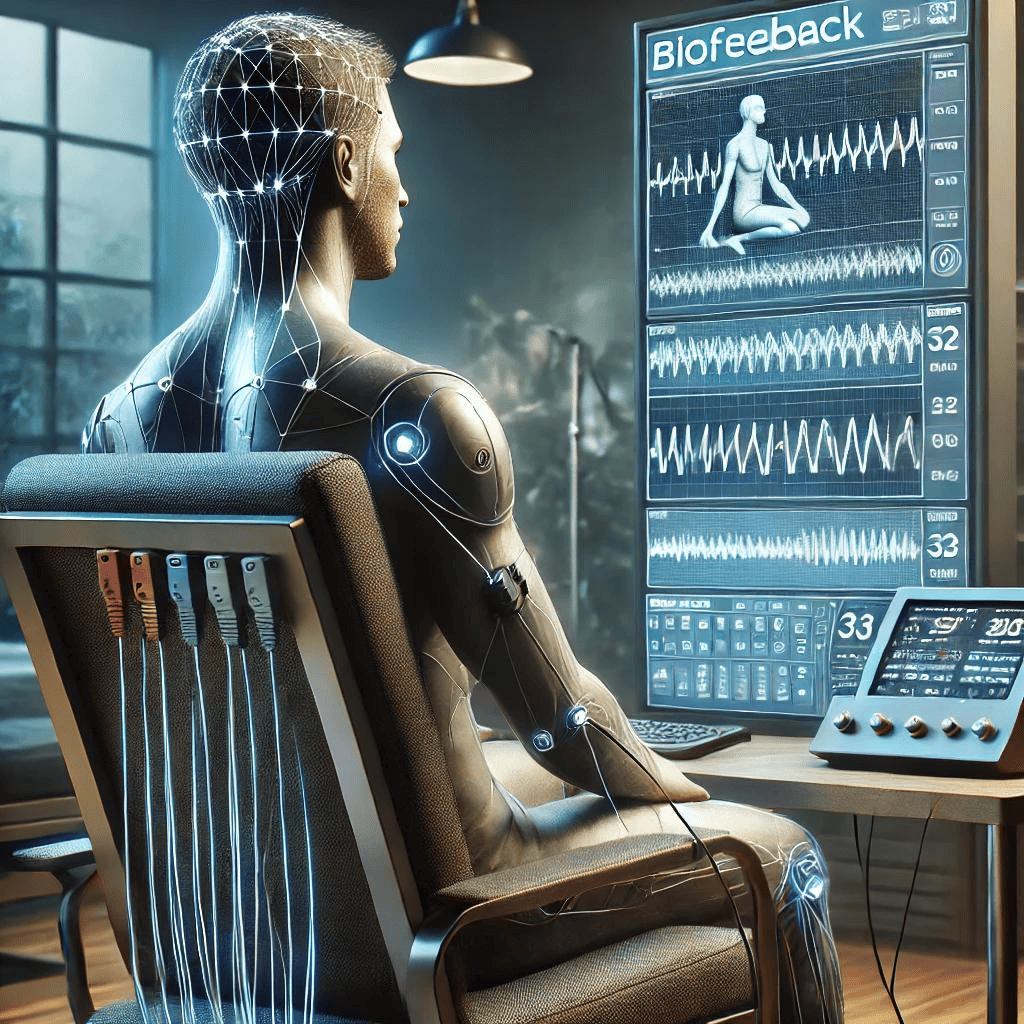
Let’s geek out a bit and explore the science behind biofeedback. At its core, biofeedback involves measuring physiological functions and providing real-time feedback. This feedback helps you gain control over these typically automatic processes, like heart rate, muscle tension, or brain wave activity. The primary system involved is the autonomic nervous system (ANS), which regulates involuntary functions such as heart rate and digestion.
The ANS is divided into the sympathetic and parasympathetic nervous systems. The sympathetic system is like your body’s gas pedal, preparing you for “fight or flight” responses, while the parasympathetic system acts as the brake, helping you relax and digest. Biofeedback helps you become aware of these processes, providing tools to consciously influence them.
For example, with EMG biofeedback, sensors placed on your skin measure electrical activity in your muscles. This data can help you identify and reduce muscle tension. I found this particularly useful during stressful workdays, as I could see when I was unconsciously tensing up and take steps to relax.
EEG biofeedback, or neurofeedback, measures brain wave activity. Different brain waves correspond to different mental states. For instance, alpha waves are linked to relaxation, while beta waves are associated with active thinking. By observing these patterns, you can train your brain to enter more desirable states, improving focus and relaxation.
One of the most compelling aspects of biofeedback is its foundation in self-regulation. It’s backed by studies like a 2020 publication in the European Journal of Pain, which showed biofeedback’s effectiveness in reducing chronic pain by helping individuals modulate their physiological responses (Patel et al., 2020). Another study emphasized the reduction of anxiety and pain through home-use biofeedback devices, highlighting the practicality and accessibility of these tools (Ly et al., 2023).
Biofeedback is not just about collecting data; it’s about using that data to make informed decisions about your health. The more you practice, the better you get at interpreting your body’s signals and responding appropriately. It’s like having a dialogue with your body where you’re finally able to communicate effectively.
In summary, biofeedback offers a scientifically backed method for understanding and controlling your body’s physiological processes. Whether you’re dealing with stress, chronic pain, or just looking to improve your overall well-being, biofeedback provides valuable insights that can lead to significant health improvements.
Real-World Applications and Success Stories
Biofeedback isn’t just a theoretical concept; it has practical, real-world applications that have helped countless people improve their health and quality of life. Let me share some inspiring success stories that highlight the versatility and effectiveness of biofeedback.
One of the most remarkable applications of biofeedback is in managing chronic pain. I once met Lisa, who had been battling chronic migraines for years. Traditional treatments weren’t effective for her, and she was at her wit’s end. Then, she discovered thermal biofeedback. By learning to increase blood flow to her hands, she was able to reduce the frequency and intensity of her migraines. It was a transformative experience that significantly improved her quality of life.
Another common use of biofeedback is for stress and anxiety management. I recall feeling constantly stressed at a high-pressure job, with no real way to manage it. That’s when I discovered HRV biofeedback. The device showed me how my heart rate varied with stress, and I used that information to practice calming techniques like deep breathing. The difference was night and day; my anxiety levels dropped, and I felt more in control of my emotions. Recent research supports this, showing that biofeedback, particularly when integrated with mindfulness practices, can significantly reduce stress and anxiety in individuals (Ratanasiripong et al., 2015).
Biofeedback is also popular among athletes seeking to enhance their performance and recovery. For example, a professional golfer I read about used EMG biofeedback to fine-tune his swing. By monitoring muscle tension, he could make precise adjustments, reducing strain and improving his performance. This kind of targeted feedback is invaluable for athletes looking to gain a competitive edge.
The mental health benefits of biofeedback are equally impressive. I came across a case study where a young boy with ADHD used neurofeedback to improve his focus and behavior. Over several sessions, his brain was trained to produce more beta waves, associated with focused attention, and fewer theta waves, linked to daydreaming. The result was a noticeable improvement in his concentration at school and a reduction in hyperactive behaviors.
Biofeedback has also proven effective in mental health therapies. For example, neurofeedback has been used to help individuals with PTSD manage symptoms by training their brains to reduce hyperarousal. The ability to control physiological responses to stress can be life-changing for people dealing with trauma.
These success stories underscore the versatility and effectiveness of biofeedback. Whether it’s managing physical symptoms, enhancing athletic performance, or supporting mental health, biofeedback offers practical solutions backed by scientific research. It empowers individuals to take control of their health, providing them with the tools to make meaningful changes. If these stories resonate with you, consider exploring biofeedback. It could be the key to unlocking a healthier, more balanced life.
Getting Started with Biofeedback: What You Need to Know
Excited to start your biofeedback journey? Great! Let’s go over some practical steps to get you started, from choosing the right biofeedback device to setting realistic goals. When I first began exploring biofeedback, I was overwhelmed by the options. But with a little guidance, I found the process straightforward and incredibly rewarding.
Choosing the Right Biofeedback Device
The first step is selecting the biofeedback device that suits your needs. If you’re primarily interested in stress management, an HRV biofeedback device is a great start. These devices monitor your heart rate variability, providing insights into your stress levels. I started with a simple HRV monitor, which was affordable and easy to use. The device’s app guided me through breathing exercises, helping me manage my stress more effectively.
For those interested in improving focus or managing ADHD, neurofeedback devices are ideal. These can be more specialized and might require professional guidance. When I tried neurofeedback, I worked with a therapist who helped me interpret the data and tailor the sessions to my needs. The experience was both enlightening and beneficial for my concentration levels.
If muscle tension or chronic pain is your concern, consider an EMG biofeedback device. These devices are excellent for identifying and reducing muscle tension, which can alleviate pain and improve relaxation. I found EMG biofeedback particularly helpful during tense work periods, as it showed me when I was unconsciously tightening my muscles, allowing me to practice relaxation techniques.
Tips for Beginners
Starting with biofeedback can be a bit daunting, but here are some tips to make it easier:
- Start Simple: Opt for a basic, user-friendly device. You don’t need the latest technology to benefit from biofeedback. Even simple devices can provide valuable insights into your physiological responses.
- Set Realistic Goals: Don’t expect instant results. Like any skill, learning to use biofeedback effectively takes time and practice. Set small, achievable goals, such as reducing stress during specific situations or improving sleep quality.
- Consistency is Key: Regular practice is essential. Set aside time each day to engage with your biofeedback device. Consistent practice will help you become more attuned to your body’s signals and improve your ability to manage them.
- Seek Professional Guidance: If you’re using advanced biofeedback, such as neurofeedback, consider working with a professional. They can provide personalized insights and ensure you’re using the device correctly.
Common Challenges and How to Overcome Them
One common challenge is feeling overwhelmed by data. It’s easy to get caught up in the numbers and forget the practical applications. Focus on actionable insights—like using HRV data to practice calming techniques.
Another challenge is staying motivated. Biofeedback requires patience, and it can be easy to slack off if you don’t see immediate results. Keeping a journal of your progress can be motivating, as it provides a tangible record of improvements.
Conclusion
Starting with biofeedback is an exciting journey into self-discovery and health improvement. Whether you’re looking to manage stress, alleviate chronic pain, or enhance mental focus, biofeedback offers a valuable, non-invasive tool. It’s about becoming more attuned to your body’s signals and learning how to respond to them in healthier ways. The recent studies we’ve discussed highlight the tangible benefits of biofeedback, from reducing anxiety and chronic pain to improving focus and overall mental health (Patel et al., 2020; Ratanasiripong et al., 2015; Ly et al., 2023).
As the famous saying goes, “Knowledge is power,”
and with biofeedback, you gain the knowledge to better understand and control your body’s responses. So, take that first step—explore the world of biofeedback and see how it can transform your life. Remember, it’s not just about the data—it’s about using that data to improve your well-being. Happy biofeedbacking!
References
- Patel, K., Sutherland, H., Henshaw, J., Taylor, J. R., Brown, C., Casson, A., Trujillo-Barreton, N. J., Jones, A. K. P., & Sivan, M. (2020). Effects of neurofeedback in the management of chronic pain: A systematic review and meta-analysis of clinical trials. European Journal of Pain. https://doi.org/10.1002/ejp.1612
- Ratanasiripong, P., Park, J., Ratanasiripong, N. T., & Kathalae, D. (2015). Stress and anxiety management in nursing students: Biofeedback and mindfulness meditation. The Journal of Nursing Education, 54(9), 520-524. https://doi.org/10.3928/01484834-20150814-07
- Ly, F. S., Santander, T., Pavlov, S., Zhao, J., Zhang, M., Arroyo, D., Sokolovskiy, S., Iyer, A., Yankauskas, Y., Chen, J., Miller, M. B., Petzold, L., Yang, H. T., & Hansma, P. (2023). Home-use and portable biofeedback lowers anxiety and pain in chronic pain subjects. American Journal of Lifestyle Medicine. https://doi.org/10.1177/15598276231221112